
Must-Try Balinese Cuisine: Your Bali Food Guide
Thinking of Bali, and only those cute cafes with smoothie bowls come to mind? Oh, we need to fix that immediately! Bali’s food scene is way more than just those aesthetic avo toasts (though I love those too, don’t worry). From smoky babi guling and lawar to spicy sambal, Balinese food is flavorful, bold, and deeply rooted in tradition.
As someone who grew up with these flavors, I’m here to share the must-try Balinese dishes, street eats, local snacks, and dining etiquette so you can skip the generic menus and discover the island through its food, just like we locals do. Ready babes? Let’s dig in!
Why Bali’s Cuisine is Unique
Balinese cuisine is a reflection of Bali culture, deeply connected to its Hindu-Balinese roots, nature, and community. One thing that makes Bali local food stand out is how it’s tied to ceremony and tradition. Food offerings are part of daily life here, with flavors and recipes passed down for generations, often linked to temple festivals and family gatherings. Take lawar and babi guling, for example. These aren’t just everyday meals the Balinese randomly whip up for lunch. Sure, you can find them in many warungs and markets now, but traditionally, these dishes were reserved for big days like Galungan, weddings, or a baby’s three-month ceremony (a major milestone here in Bali!). Basically, food is prepared with intention and love here on the island, often cooked slowly over wood fire, and shared with family and friends. That’s exactly what makes it special.
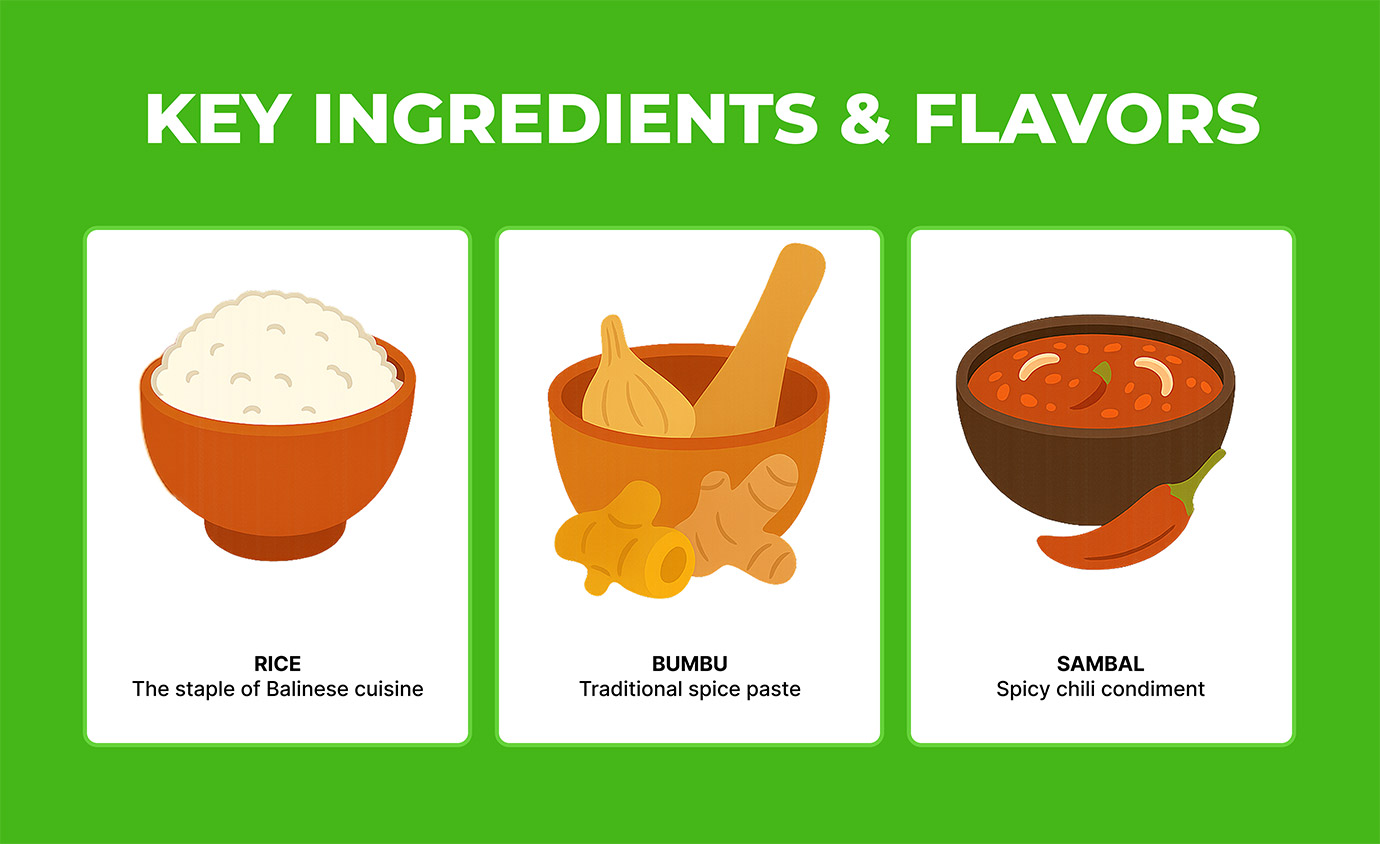
Key Ingredients & Flavors
If you want to understand Balinese dishes, you’ve got to get to know the staples that bring them to life, right? Traditional Balinese food is built on bold, layered flavors that are fresh, aromatic, and, well, I must say, fiery.
Rice. It’s not just a side here; it’s the heart of every meal. This is our main source of carbs.
Bumbu. The traditional spice paste that forms the soul of many Balinese dishes. It’s usually made with a mix of turmeric, galangal, ginger, garlic, shallots, lemongrass, candlenuts, and chilies, all pounded or blended together to create a rich, fragrant base.
Sambal. The chili condiment you’ll find on nearly every Balinese table. There are many types, but sambal matah (a raw, zesty mix of shallots, lemongrass, chilies, and coconut oil) and sambal embe (crispy shallots with chili and garlic) are must-tries for a taste of Bali’s signature kick.
Must-Try Main Dishes
If you’re mapping out where to eat in Bali, these main dishes need to be on your list. Hungry? Yeah, me too. Let’s get straight into it!
1. Babi Guling (Suckling Pig)
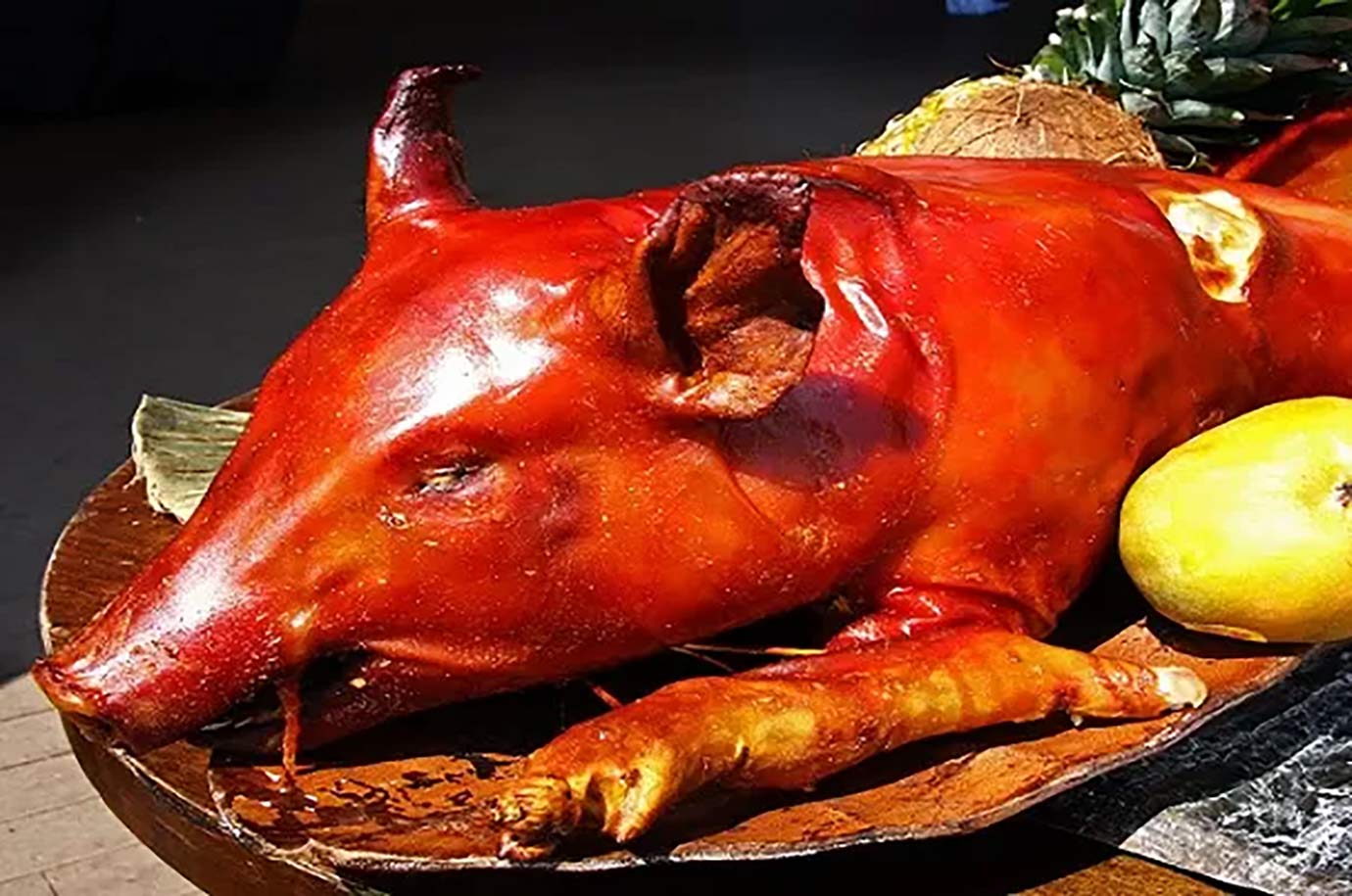
Let’s kick things off with a Balinese legend: babi guling. This iconic, must try food in Bali is a whole suckling pig, marinated in rich bumbu (spice paste) and stuffed with cassava leaves, lemongrass, galangal, turmeric, and plenty of spices before being slow-roasted over a wood fire until the skin turns crispy and golden.
 Source: Owner’s photos in Google
 Source: www.posbali.net
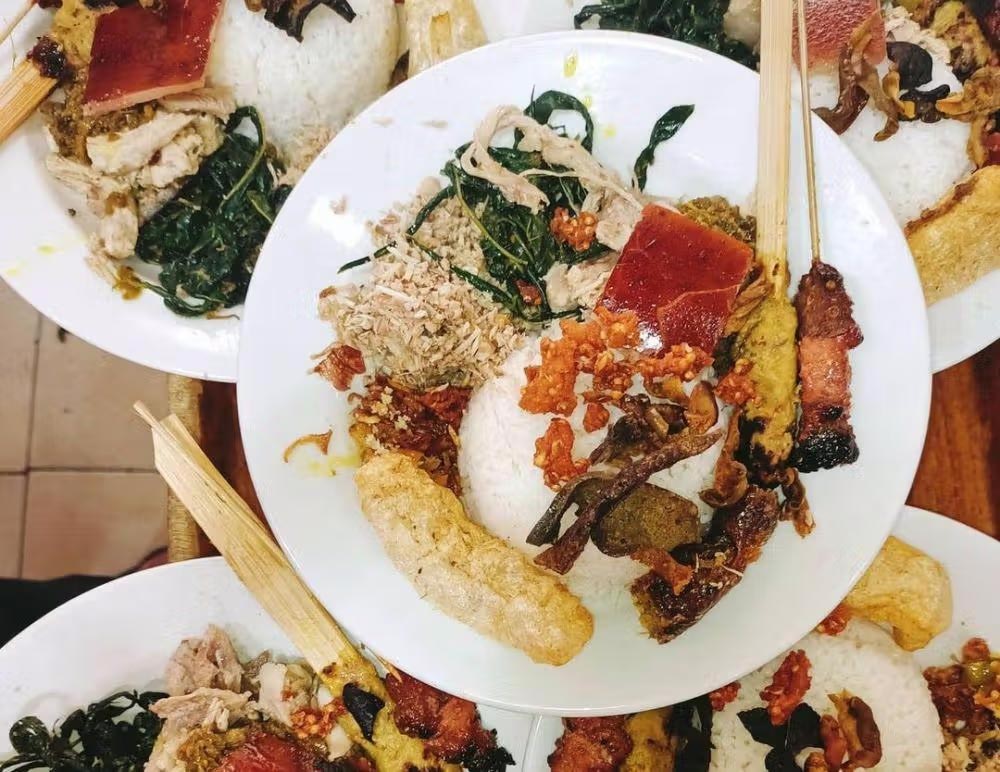
A typical babi guling plate comes with steamed rice, slices of tender pork, crispy skin, lawar (a mix of veggies, coconut, and minced meat), a spicy sambal, and sometimes a stick of pork satay. You can head to local warungs around your place to try it (they’re literally everywhere). My two favorites: Babi Guling Ibu Oka in Ubud & Warung Babi Guling Pak Malen in Seminyak.
2. Ayam & Bebek Betutu
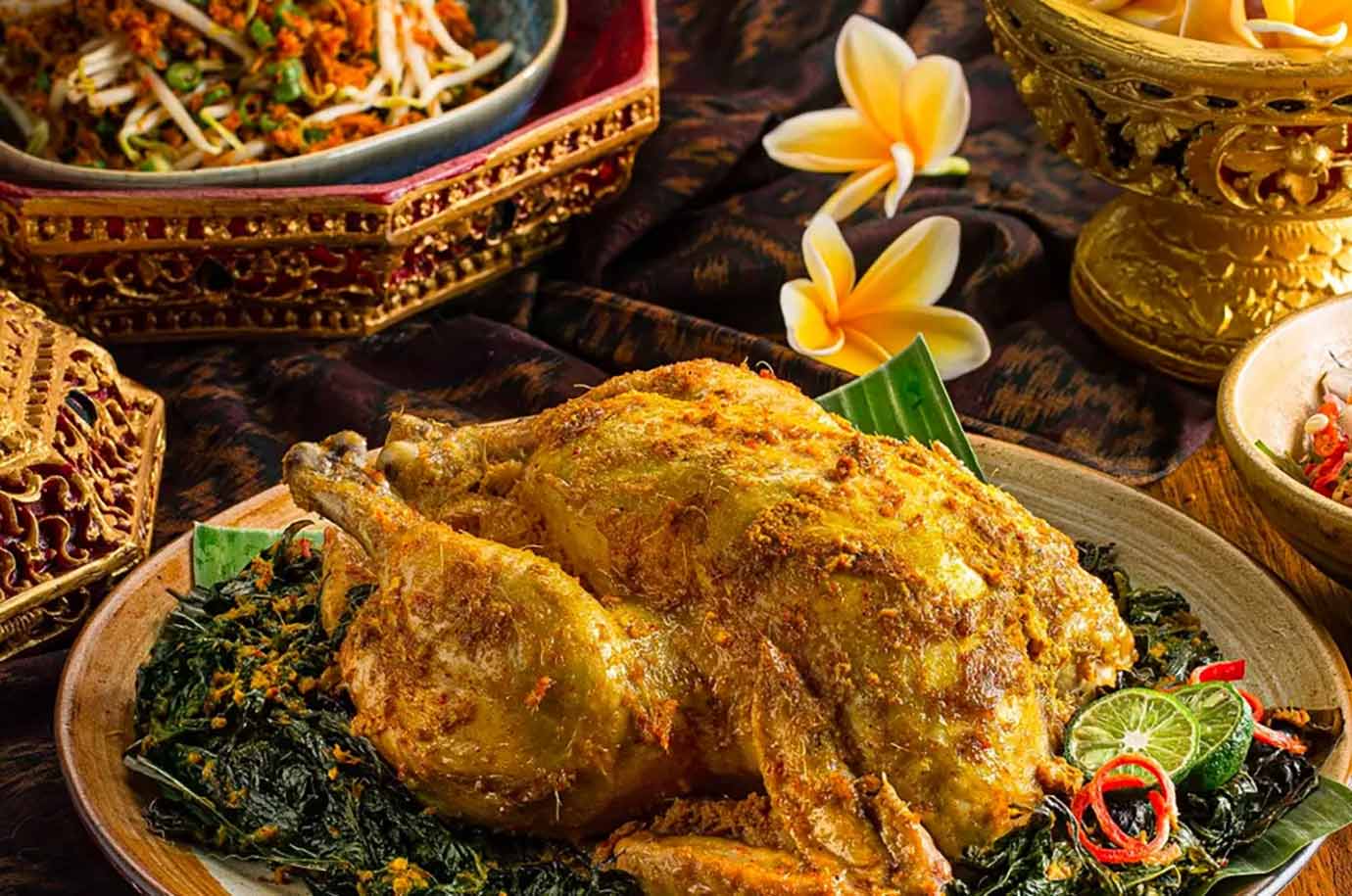
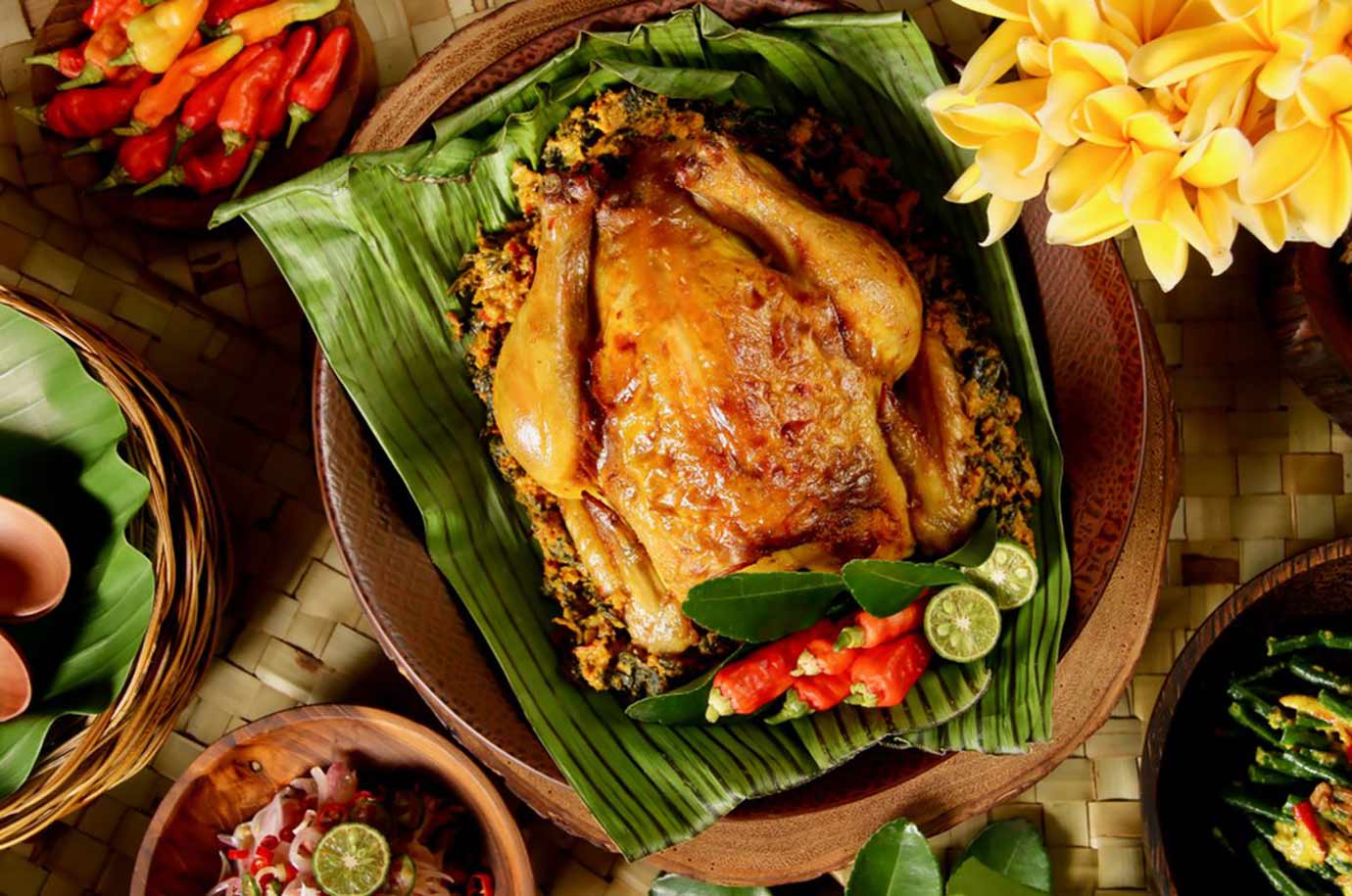
Tempted by the flavorful sounds of babi guling but looking for a halal-friendly version? Then ayam betutu is for you. This famous food in Bali features chicken (ayam) or duck (bebek) marinated in a rich spice paste made with turmeric, galangal, ginger, lemongrass, garlic, shallots, and chili, then wrapped in banana leaves and slow-cooked for hours until it’s fall-off-the-bone tender and infused with Bali’s signature bold flavors.
 Source: www.baliinyourhands.com
 Source: www.kompas.com
Between the two, ayam betutu (chicken betutu) is more commonly found than bebek betutu (duck betutu), as duck is often reserved for special occasions or ceremonies and takes even longer to cook. Betutu is often served with steamed rice, lawar, vegetables, sambal matah, and sometimes peanuts for crunch, omg I’m drooling just from writing this (hear me out; try this one!).
3. Nasi Campur & Nasi Jinggo
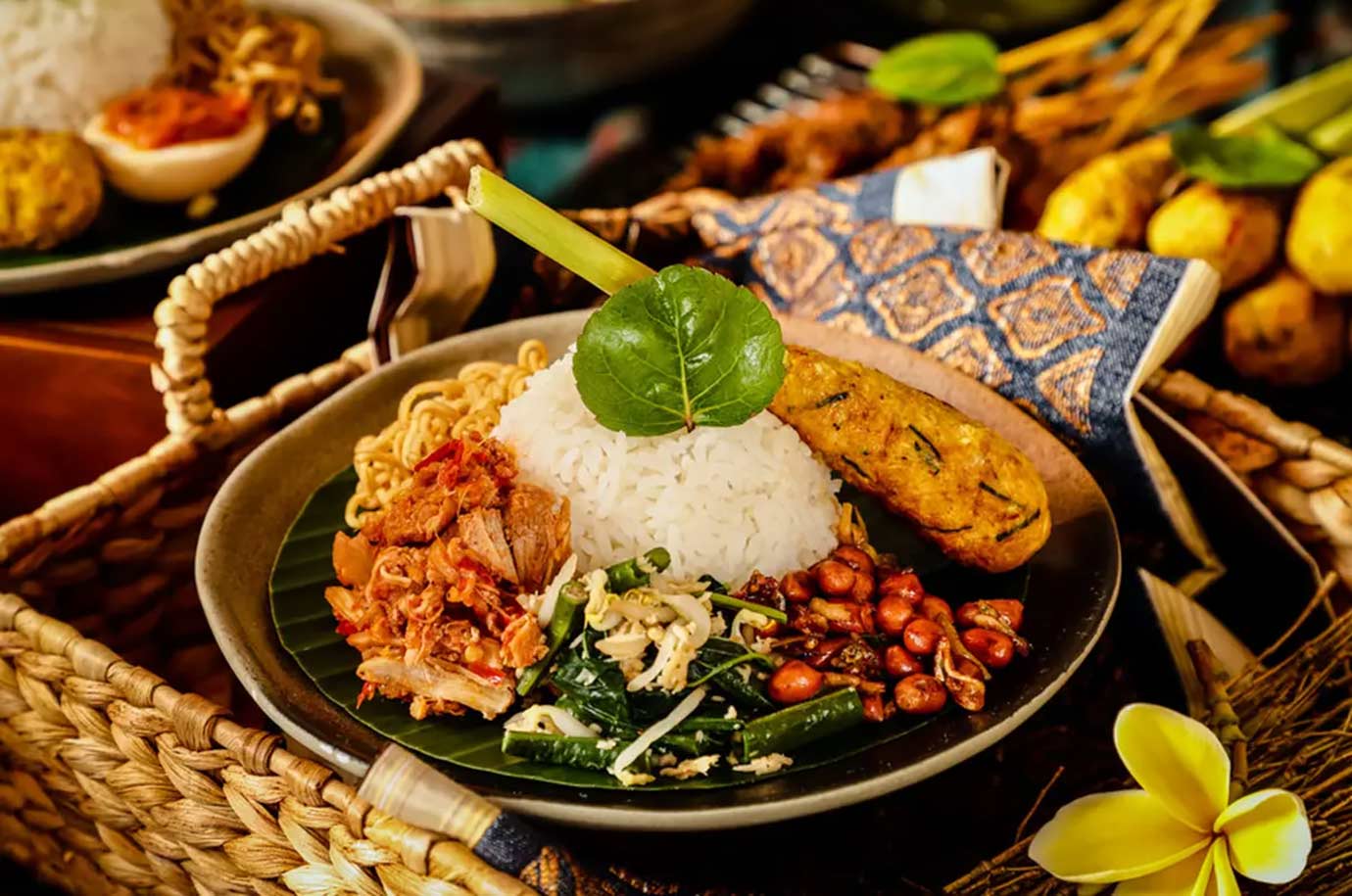
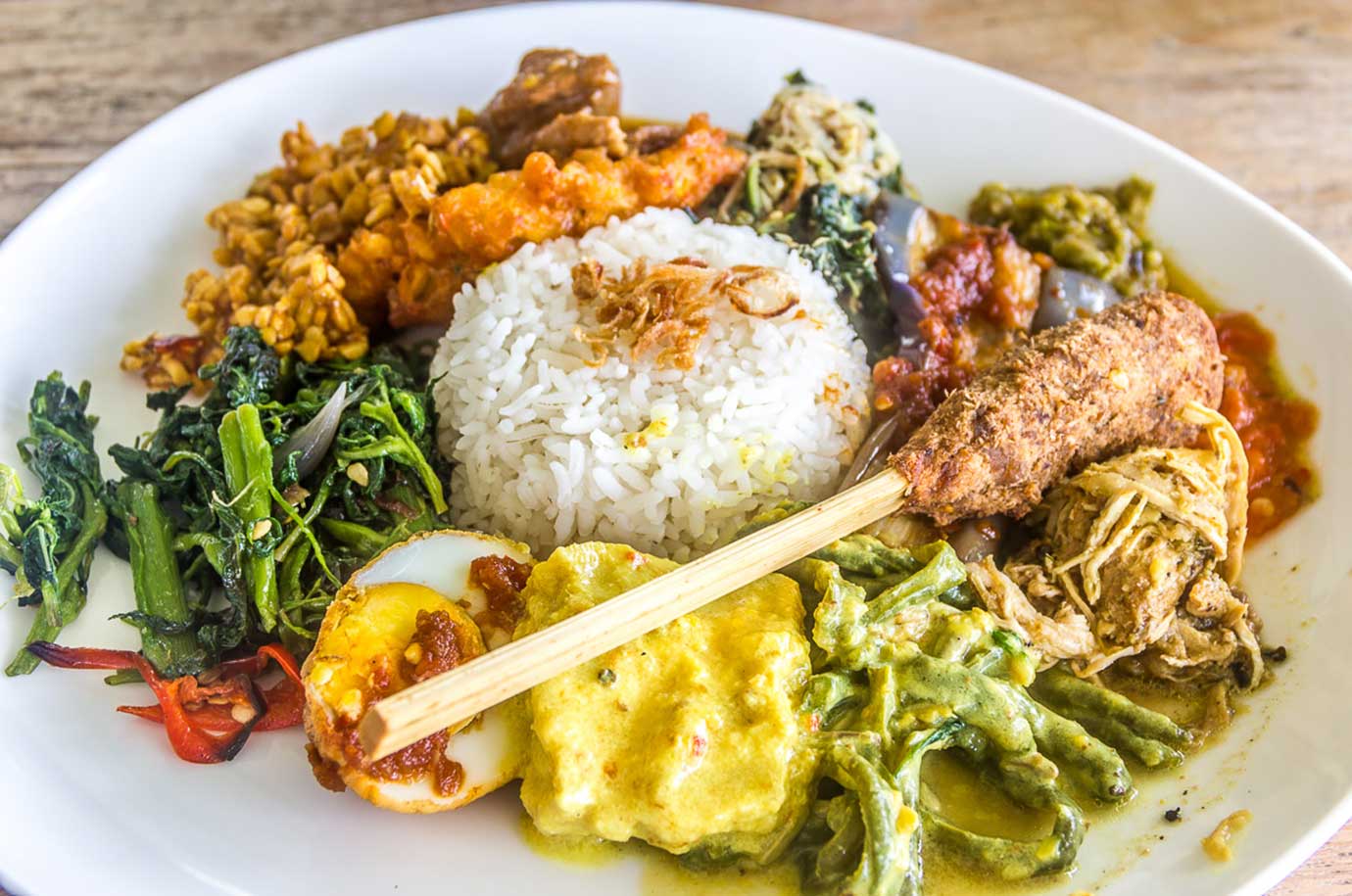
Alright, I’m sure nasi campur is no stranger to you — there are tons of stalls selling it all over Bali. But just in case you haven’t tried it yet, here’s the deal: nasi campur literally means “mixed rice,” and it’s exactly what it sounds like. A plate of steamed rice topped with small portions of various Balinese side dishes. You might get a bit of lawar, shredded chicken or pork, tempeh, spicy sambal, vegetables, and sometimes a satay stick. It’s perfect if you want to sample a variety of flavors and textures in one go — savory, spicy, sweet, and crunchy, all coming together on one plate.
 Source: www.liputan6.com
 Source: malanghits.pikiran-rakyat.com
Nasi jinggo, on the other hand, is like nasi campur’s night market cousin. It’s a smaller portion of rice with a few side dishes, wrapped in a banana leaf, and is often sold as a grab-and-go meal, especially in the evenings. Traditionally, it includes a little rice, shredded chicken or serundeng (spiced grated coconut), sambal, and sometimes a piece of tempeh or egg.
4. Tipat Cantok
Alright, now we’re moving on to my all-time favorites. Tipat cantok features ketupat (rice cakes wrapped and boiled in woven palm leaves) mixed with boiled vegetables like beans, spinach, and bean sprouts, all tossed in a rich, spicy peanut sauce called bumbu kacang.
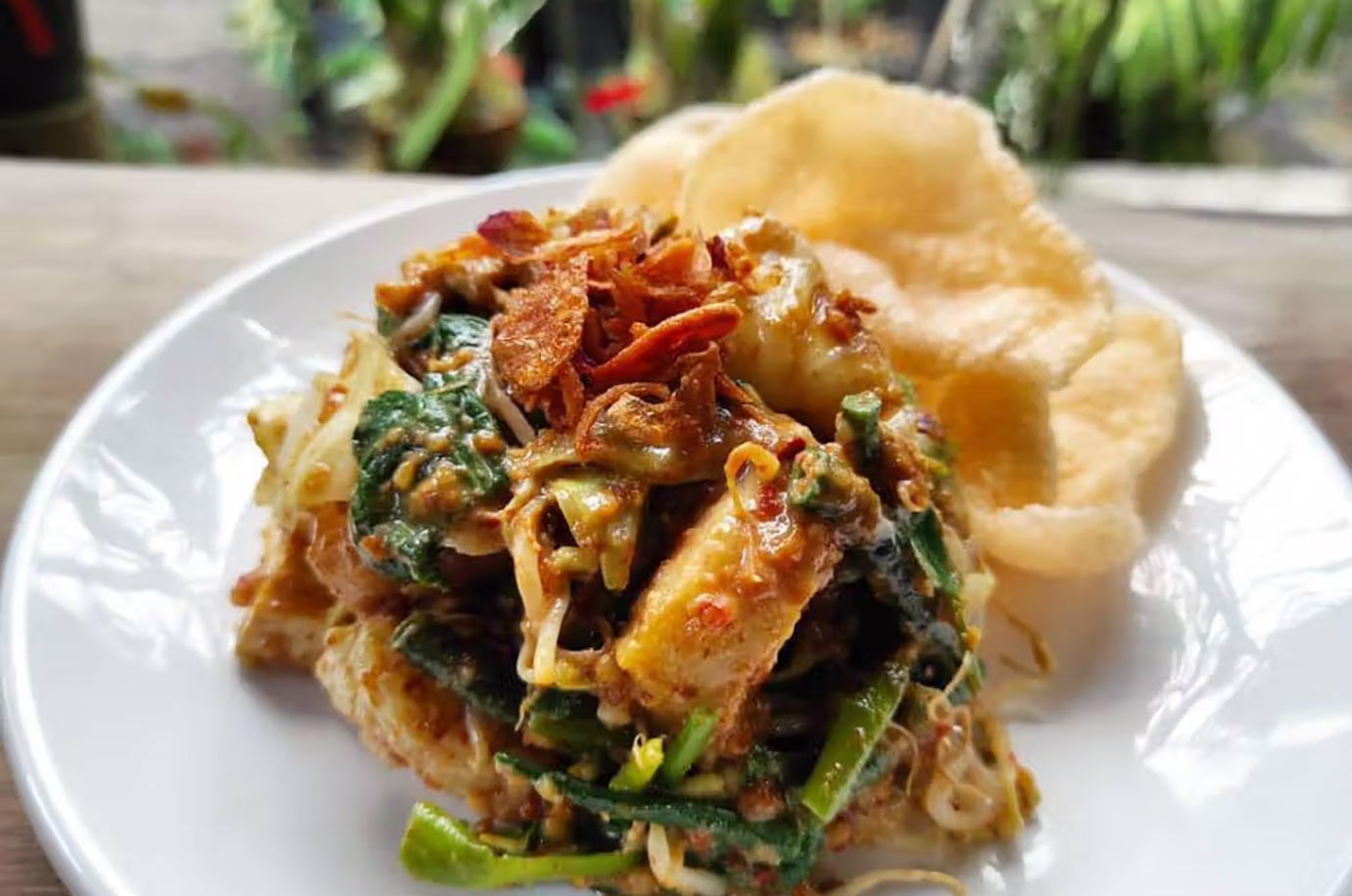 Source: idntimes.com
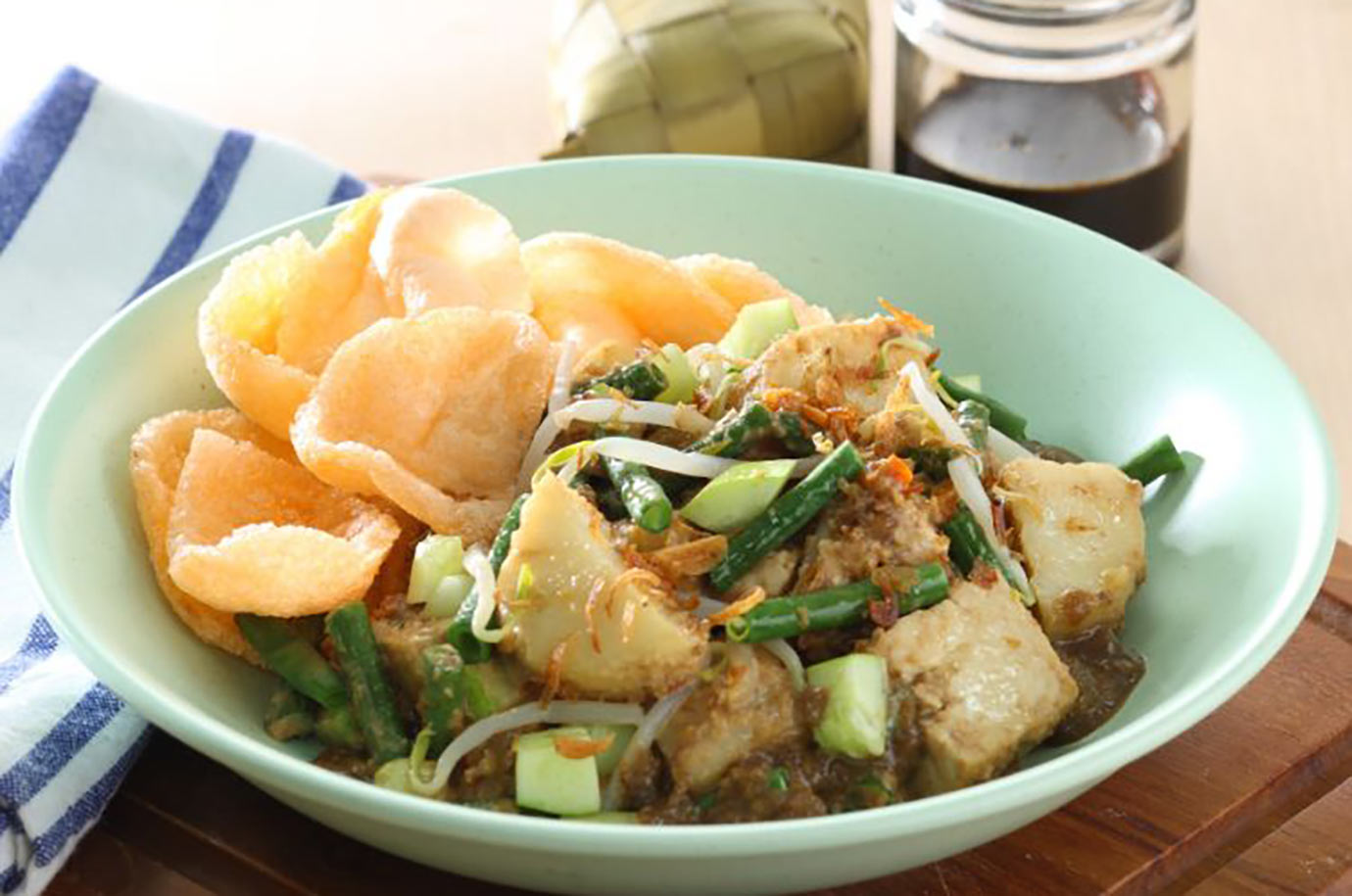 Source: sajiansedap.grid.id
My go-to way to enjoy it? Topped with some krupuk (crispy crackers) for that extra satisfying crunch. Not gonna lie, I could eat this every day — yep, it’s THAT good! Heads up: Make sure to tell the seller you want it mild if you’re not a spice warrior. If you stay silent, the default Balinese spice level will hit you hard, and trust me, it’s no joke!
5. Lawar & Sate Lilit
Two absolute must-tries when it comes to Balinese dishes are lawar and sate, the classic OGs of traditional Balinese food. Lawar is a traditional Balinese salad made from finely chopped vegetables (my personal favorite: Young jackfruit), grated coconut, minced meat (usually pork or chicken), and fresh herbs, all tossed in rich spices. Lawar is often served during ceremonies and celebrations, but you’ll find it at warungs island-wide.
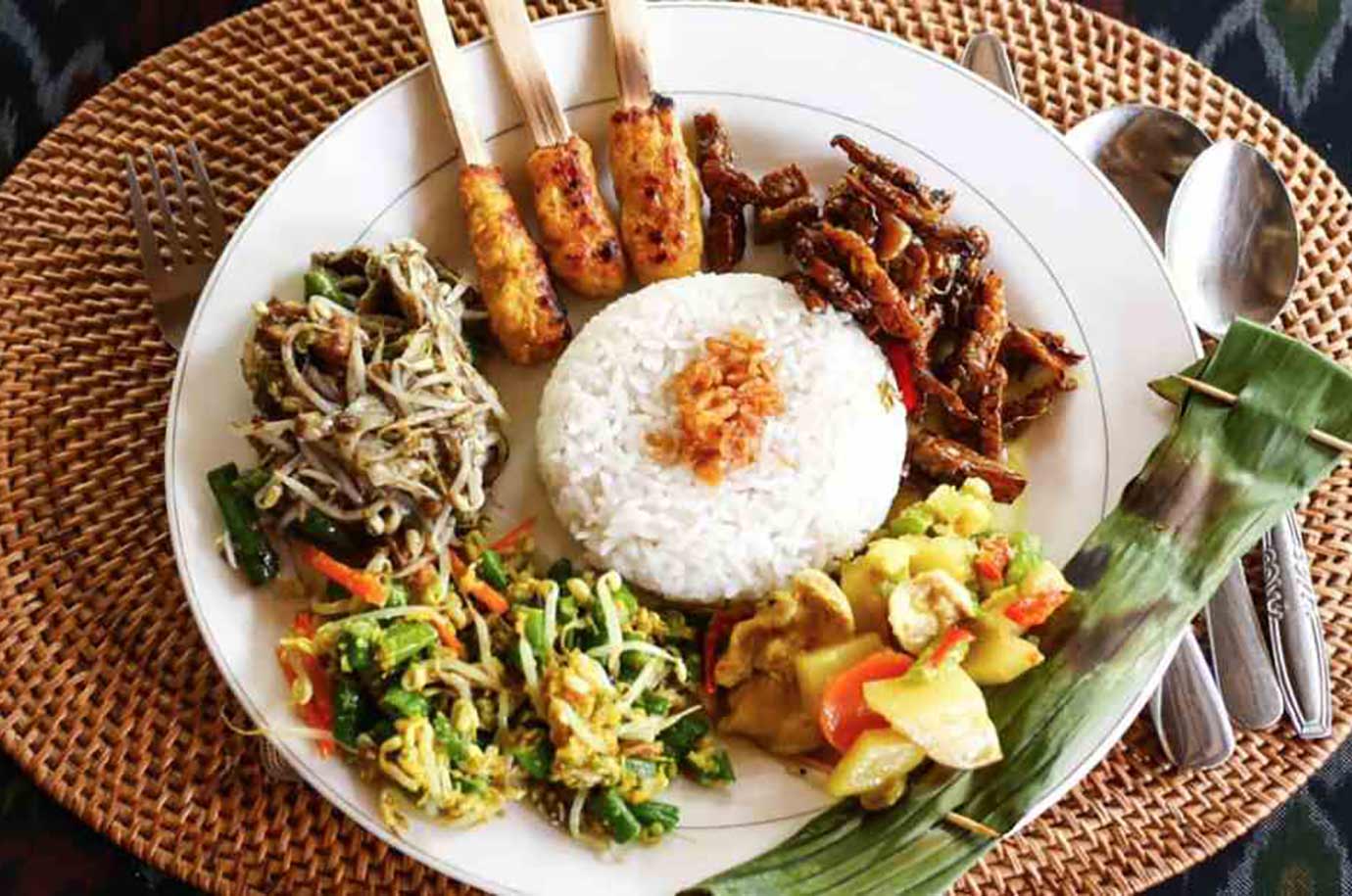 Source: www.tokopedia.com
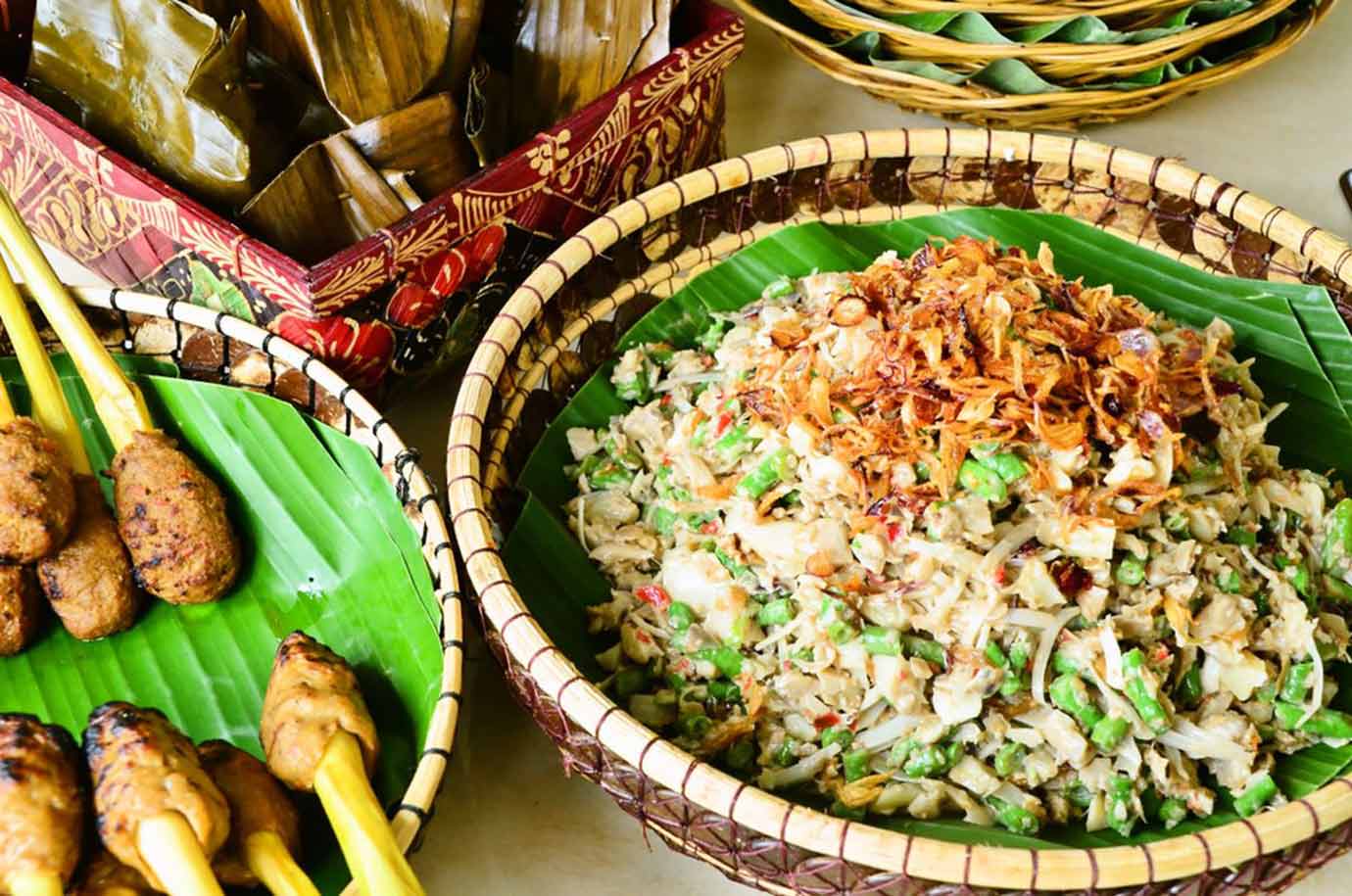 Source: www.kompas.com
Then there’s sate lilit, Bali’s unique take on satay. Instead of chunks of meat, minced fish, chicken, or pork are mixed with grated coconut, aromatic herbs, and spices, then wrapped around bamboo sticks or lemongrass stalks and grilled to smoky perfection. If you’re already a satay fan, babe, this one will definitely level up your game!
Popular Street Food & Snack
Pancakes? Meh. We’re gonna pass on those for now. It’s time for the fun stuff — the real deal. We’re talking about traditional Balinese street snacks that locals actually crave and that you need to try while exploring the island.
6. Laklak
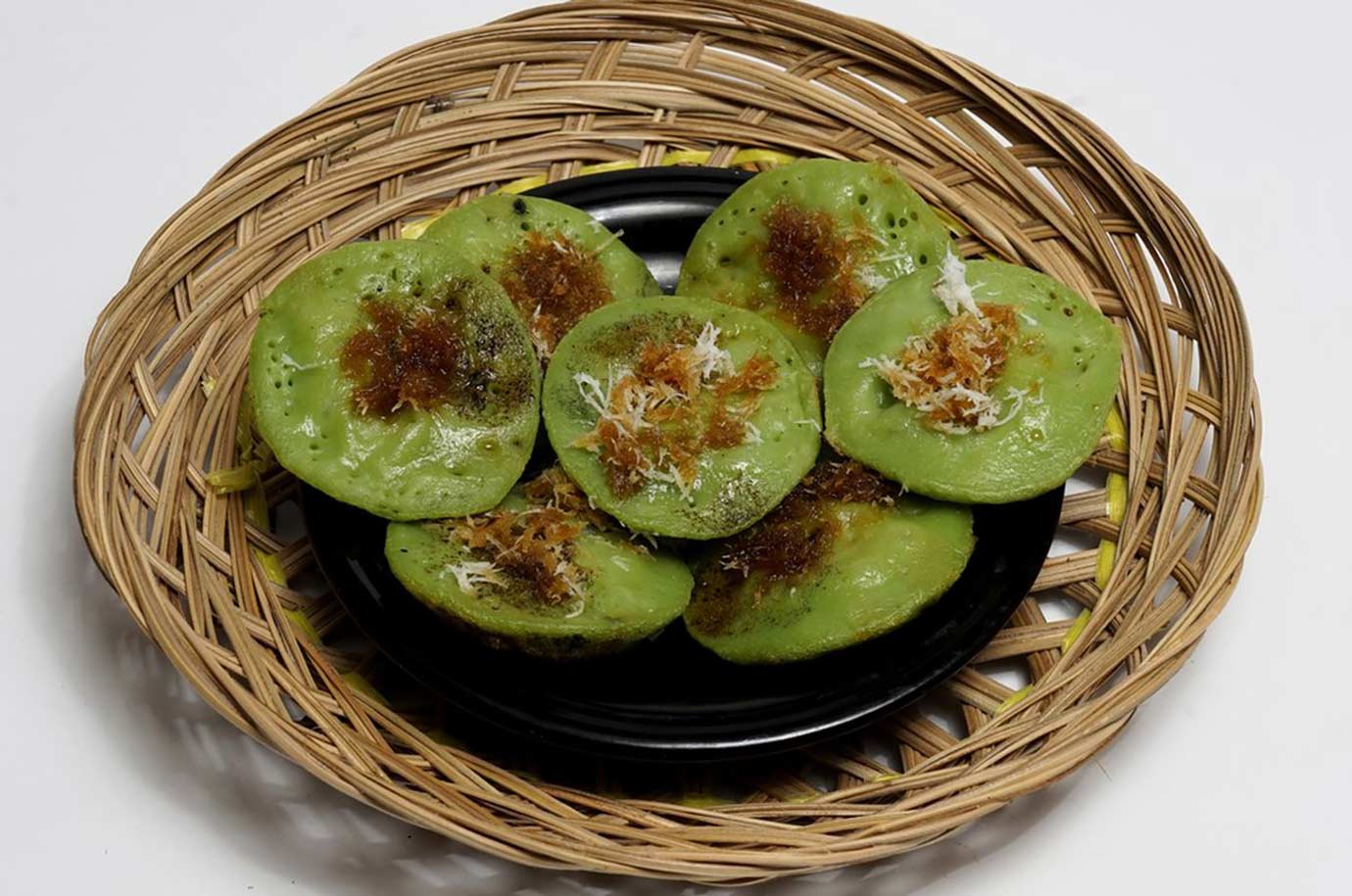
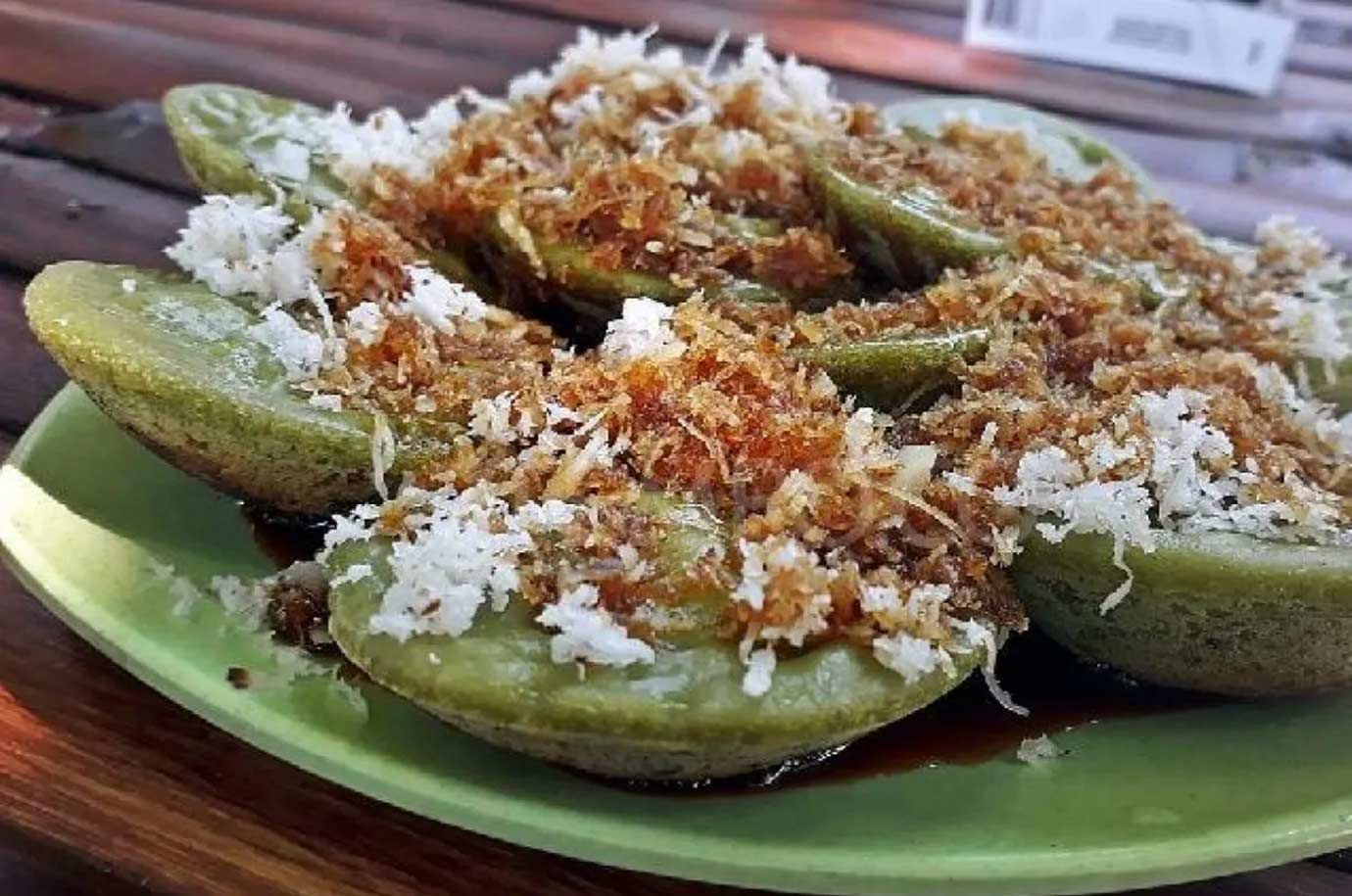
Meet my favorite, the adorable Balinese mini rice pancakes that look like little green clouds of puff. Made from rice flour mixed with pandan leaves (that’s where the beautiful green color and subtle floral aroma come from), these soft, chewy pancakes are steamed to perfection and topped with freshly grated coconut and a drizzle of thick, sweet palm sugar syrup.
 Source: lipsus.kompas.com
 Source: kbsdigital.co.id
Laklak is usually prepared fresh on the spot, so it arrives on your plate still warm. Sometimes you’ll even need to wait a minute or two for it to cool down before digging in.
7. Pisang Rai
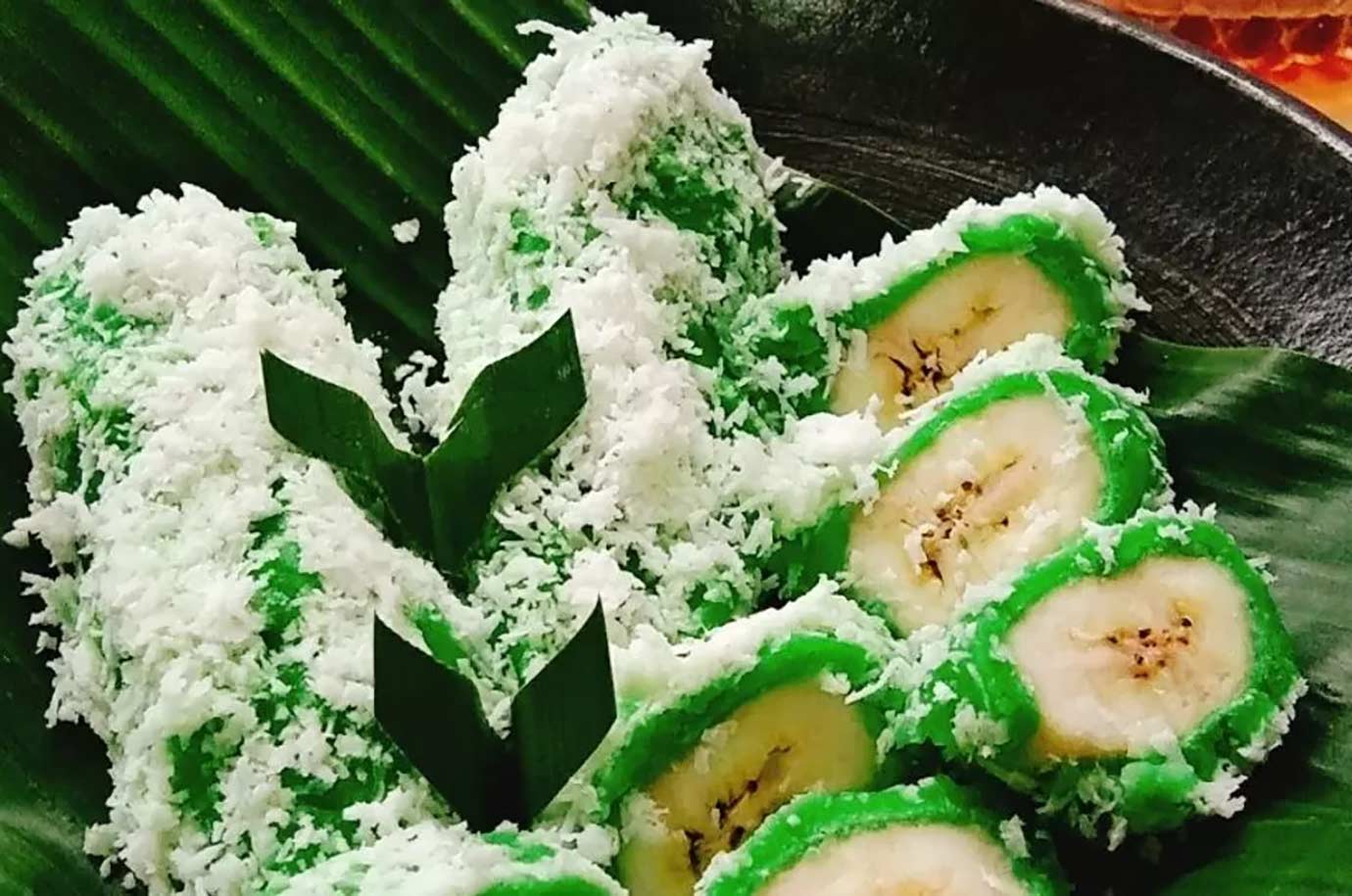
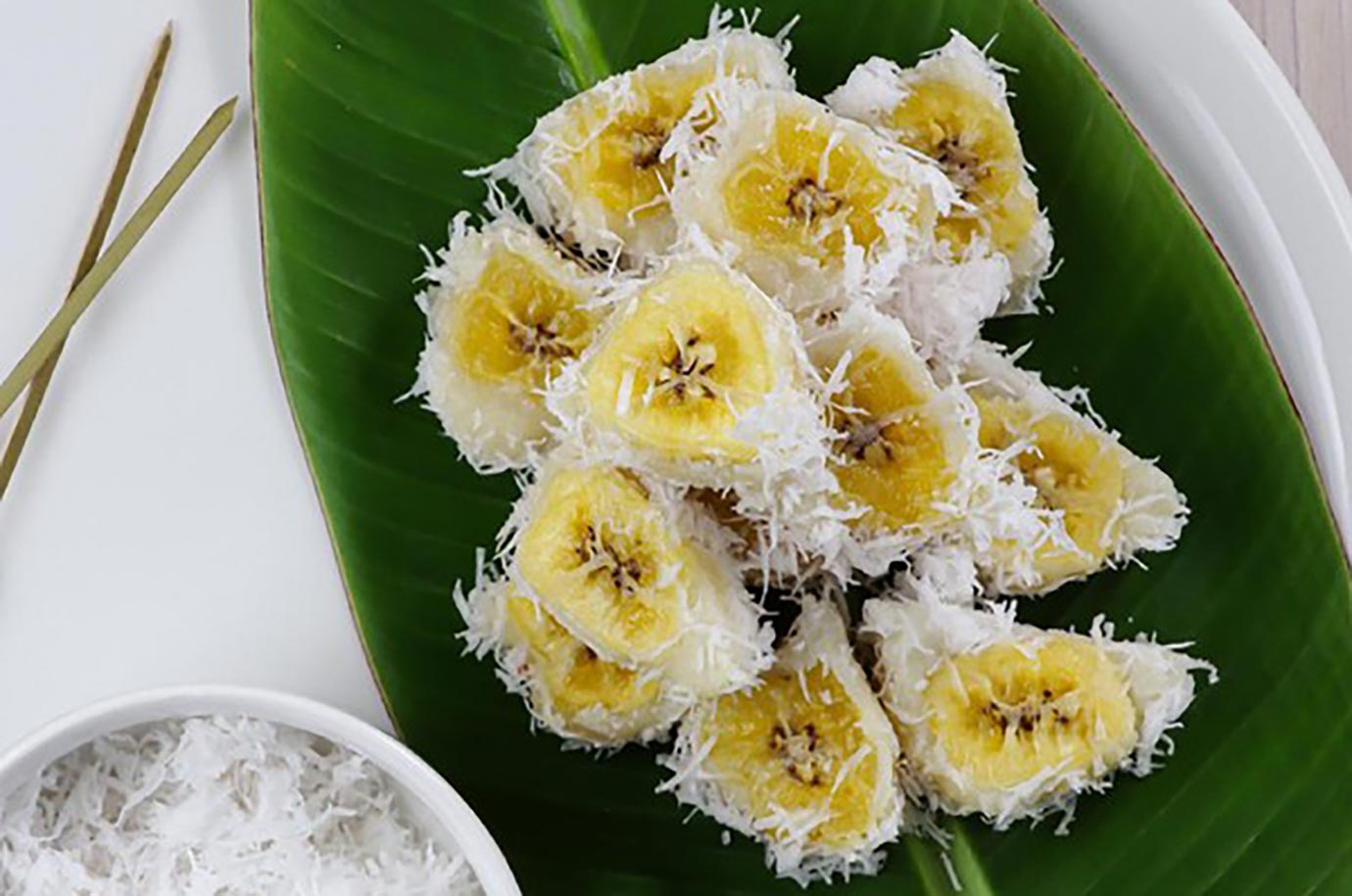
Next up, we’ve got pisang rai. This famous snack is made from ripe bananas wrapped in rice flour dough, boiled until soft, then rolled in freshly grated coconut. Before serving, it often gets a drizzle or dusting of palm sugar for that extra sweetness.
 Source: radarmadiun.jawapos.com
 Source: food.detik.com
What makes pisang rai so comforting is its soft, chewy texture paired with the natural sweetness of the banana and the freshness of the coconut. It’s simple, satisfying, light, and delicious. No wonder this has become one of the most famous foods in Bali.
8. Pisang Goreng
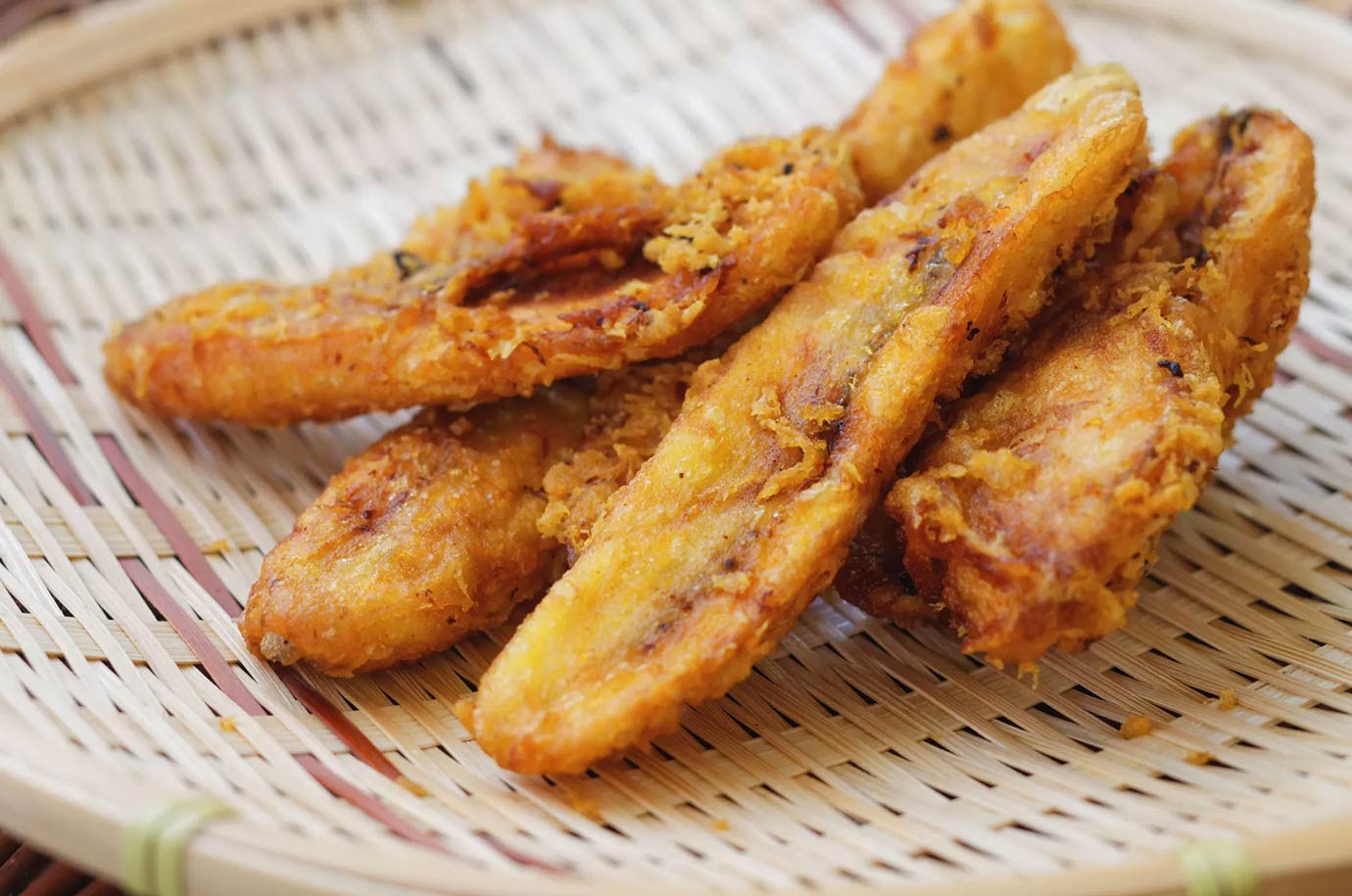
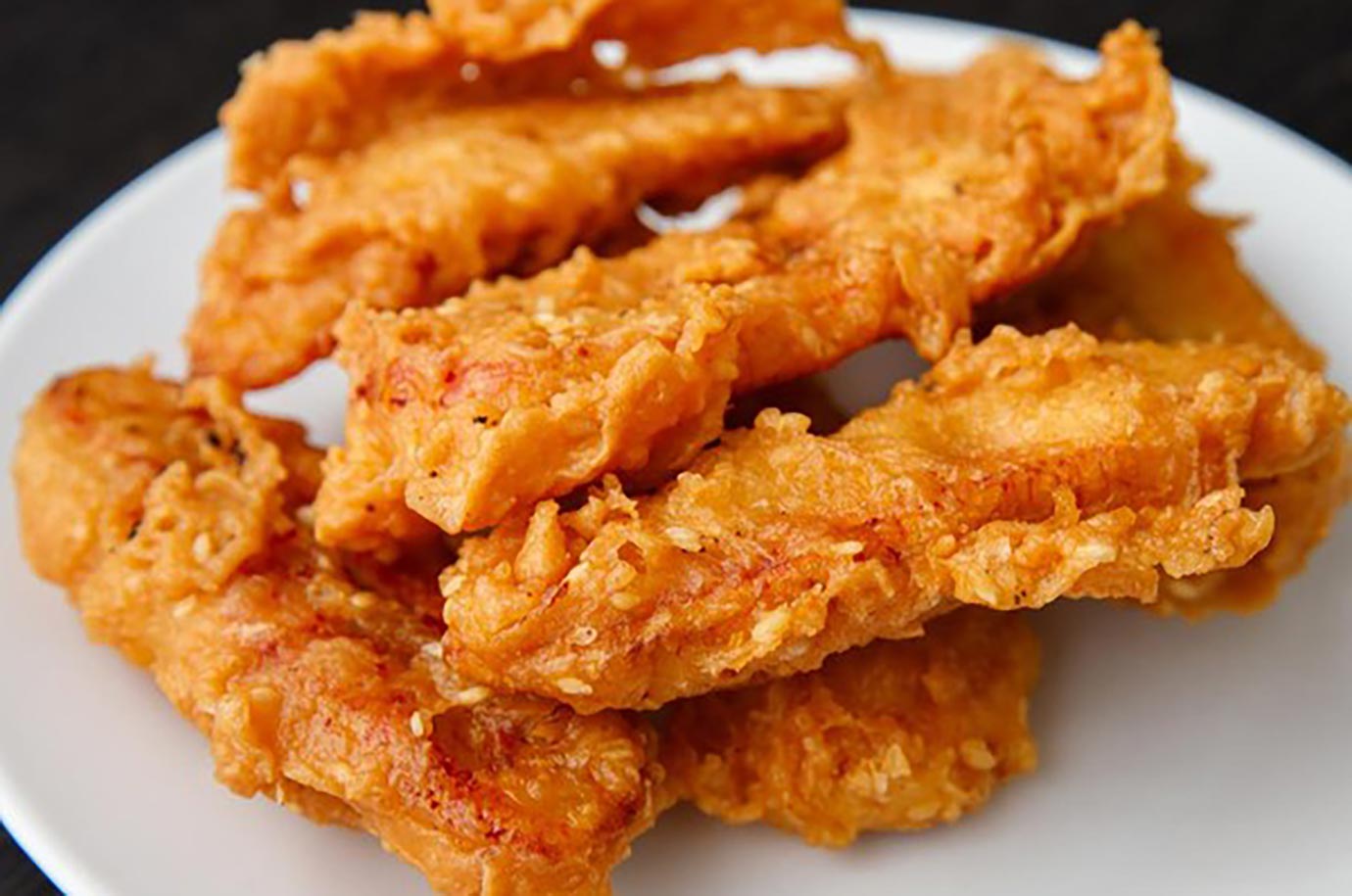
Alright, let’s be real, pisang goreng is a classic you can’t skip. These crispy, golden fried bananas are the go-to snack for many locals. It's that classic snack people seek out to enjoy with their morning coffee for breakfast, or as a cozy afternoon treat.
 Source: www.okelihat.com
 Source: food.detik.com
These crispy, golden fried bananas are made by dipping ripe bananas in a light flour batter (sometimes with a hint of coconut or vanilla), then deep-frying them until they’re crunchy on the outside while staying warm and soft on the inside. Yes, okay, I know it’s caloric, but hey, you’re on vacation, a few bites won’t hurt.
9. Lumpia
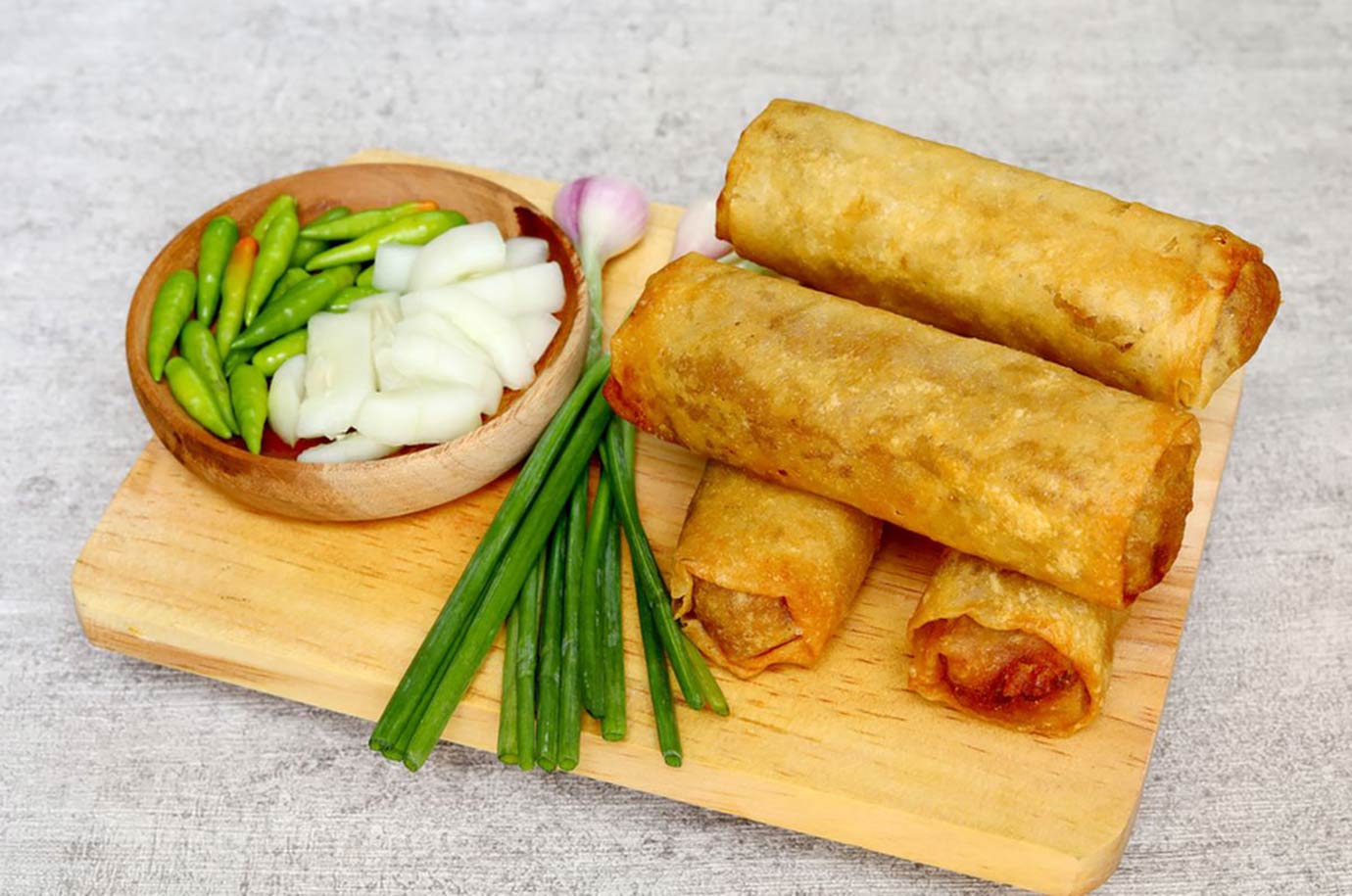
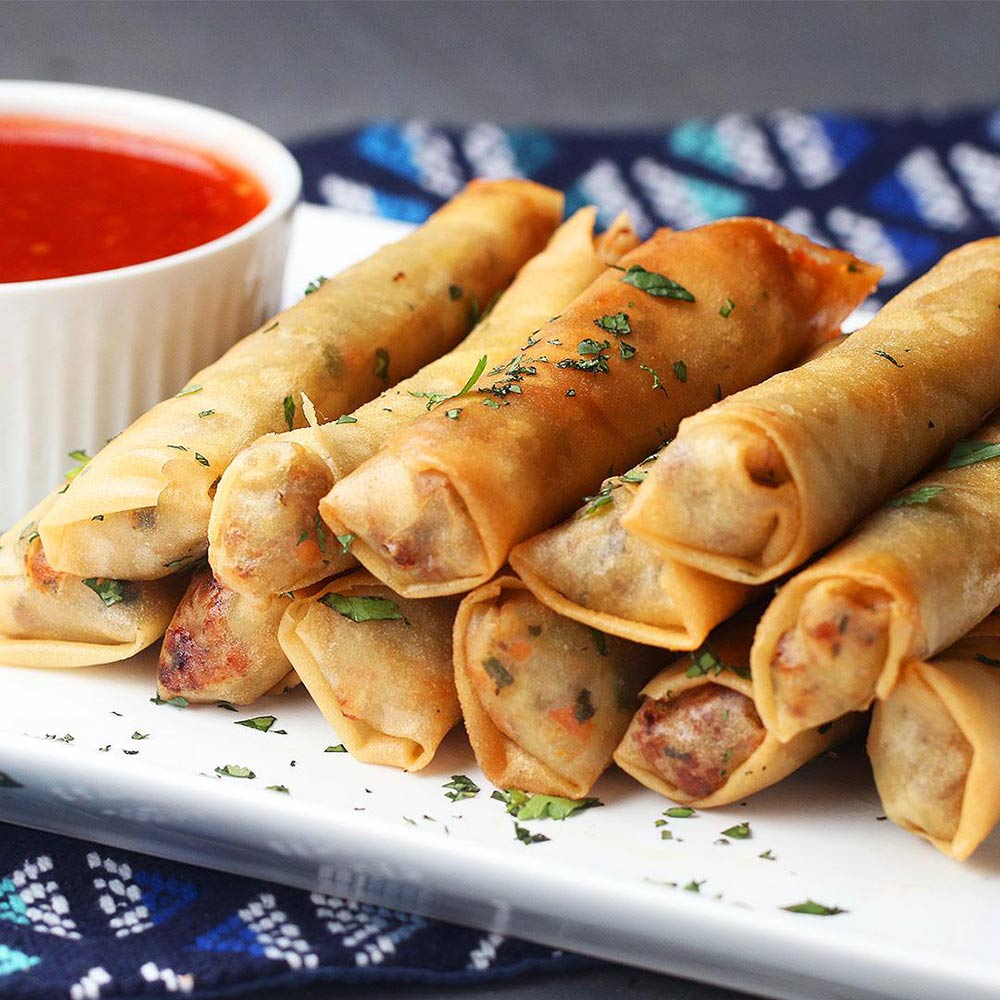
The Indonesian (and Balinese) take on spring rolls, lumpia, is a snack you’ll find at many street stalls and markets across the island. These crunchy rolls are typically filled with a mix of vegetables like carrots and cabbage, sometimes with minced chicken or shrimp, then deep-fried until golden brown and crispy.
 Source: www.kompas.com
 Source: tasty.co
This is that snack you’ll spot on the beaches of Bali, especially in Sanur, where sellers walk by balancing a box of warm lumpia on top of their heads, ready to sell you a few pieces while you chill by the waves (I’m sure you’ve seen at least one!). Lumpia is one of those snacks that’s dangerously easy to keep popping into your mouth — crispy on the outside, warm and savory on the inside. Yep, even I’m addicted to this one.
Vegetarian & Vegan Balinese Eats
Nope, I’m not talking about those bougie salads or vegan burgers at your favorite Canggu cafe. We’re talking about real traditional Balinese food here — yep, Bali has it too! The island’s local food scene is packed with naturally vegetarian and vegan dishes made from fresh veggies, coconut, tempeh, tofu, and Bali’s signature spices, giving you big flavors without the meat.
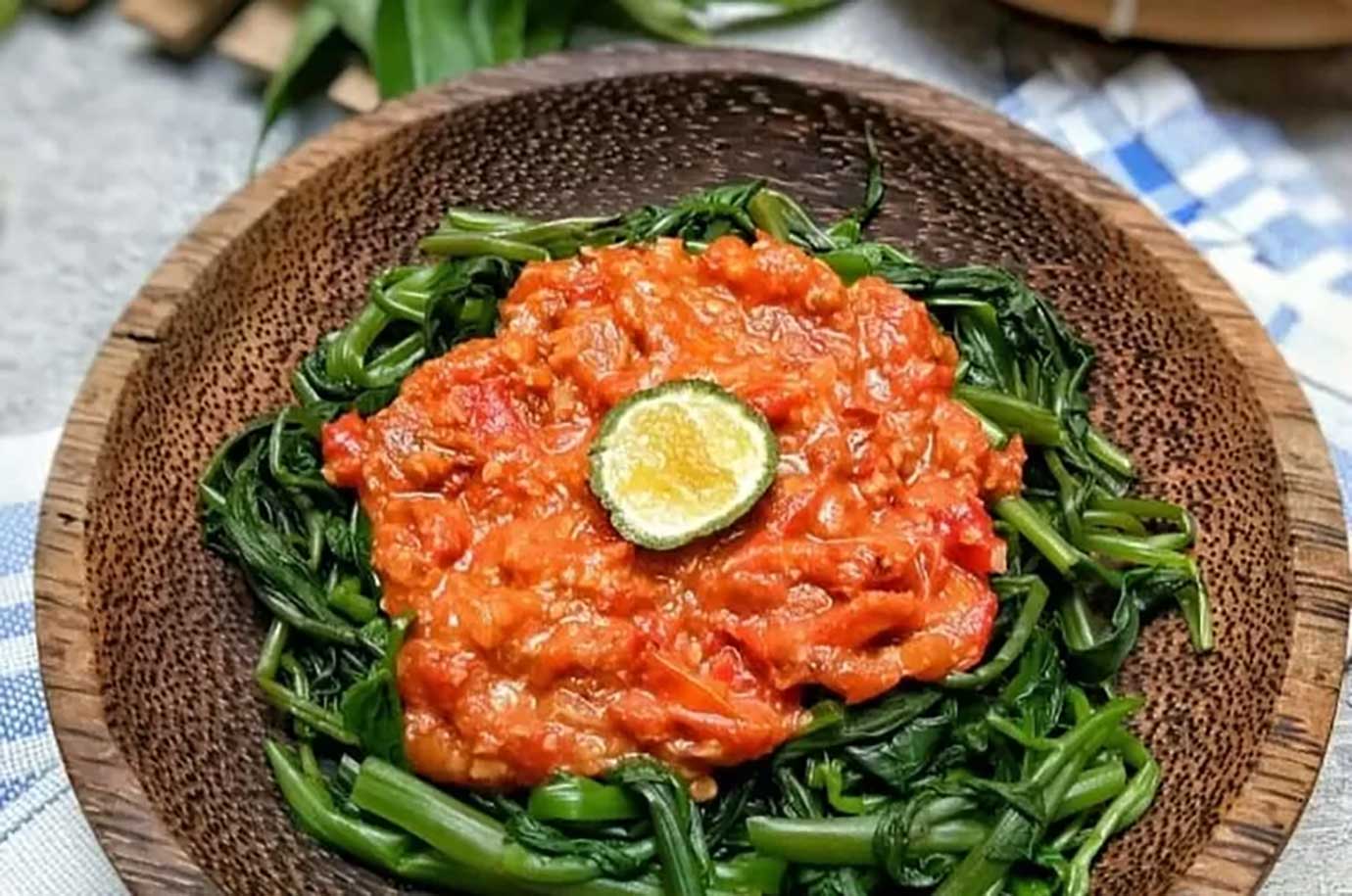 Source: www.detiksumsel.com
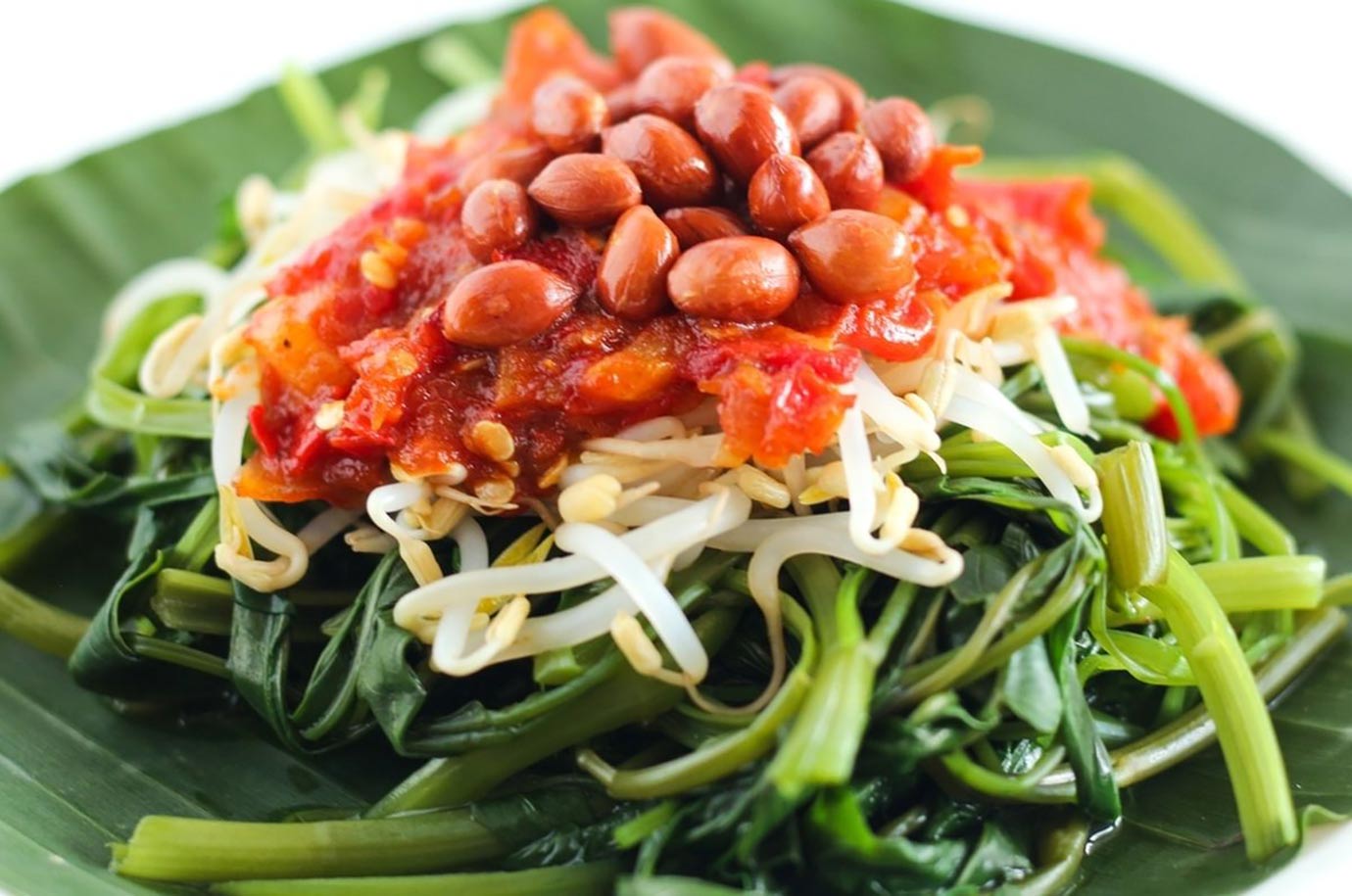 Source: www.kompas.com
From plecing kangkung (boiled water spinach with spicy sambal), sayur urap (coconut-spiced veggies), tempeh in all forms, to tipat cantok (rice cake salad with peanut sauce), these are dishes locals actually eat, not just Instagram-friendly plates. And hear me out, these foods I just mentioned are way more flavorful than your average vegan plates at the cafe. You’re welcome.
Drinks & Desserts
When it comes to Bali's local food, the drinks are just as worth exploring as the dishes. You can’t visit Bali without trying Luwak coffee — that famous, smooth, and rich brew made from beans eaten and processed by civet cats. Bali has tons of plantations where you can sip freshly brewed Luwak coffee. Other refreshing local favorites include es kelapa muda (young coconut water with tender coconut meat), naturally sweet cane sugar juice, and traditional jamu — herbal tonics made from turmeric, ginger, and other local roots that locals swear by for health and vitality.
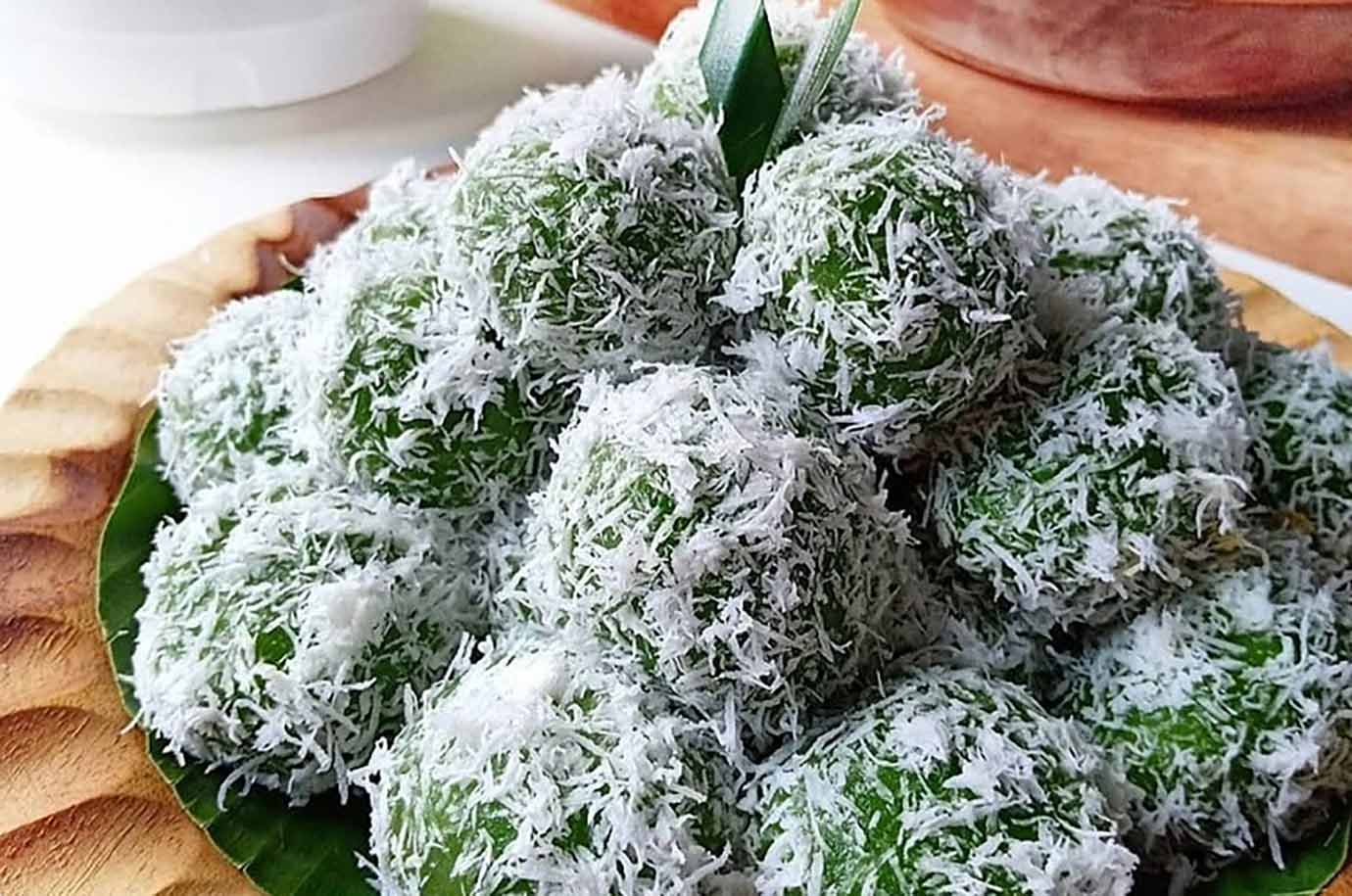 Source: www.wartamu.id
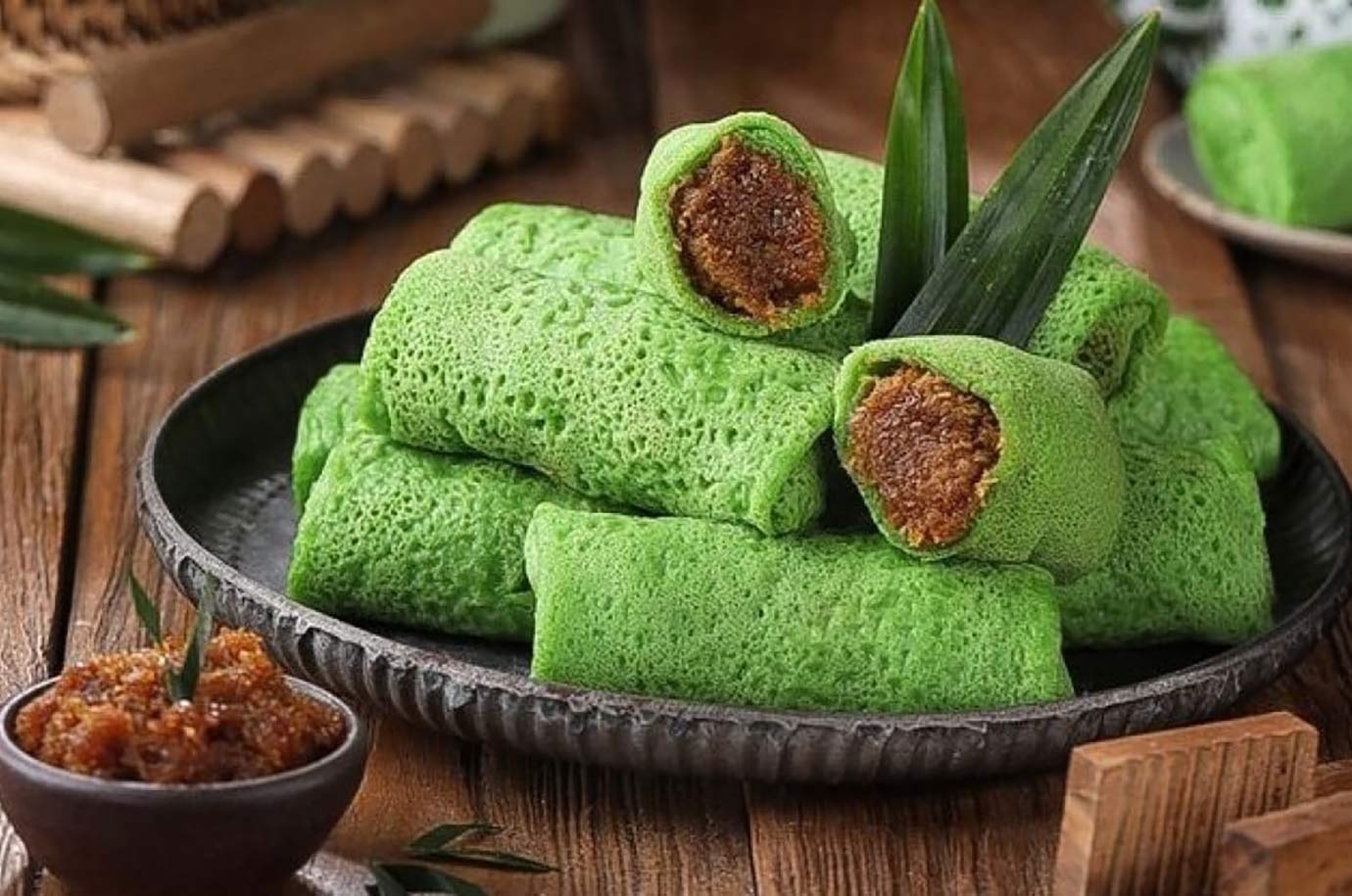 Source: thumb.viva.id
When it comes to desserts, Bali keeps it fresh and naturally sweet. You’ll love treats like dadar gulung (pandan crepes filled with sweet grated coconut), klepon (glutinous rice balls stuffed with molten palm sugar and coated in coconut), and es campur (a colorful shaved ice dessert loaded with fruits, jelly, and syrup). Yep, Balinese desserts are basically made for anyone with a sweet tooth.
Eating Etiquette
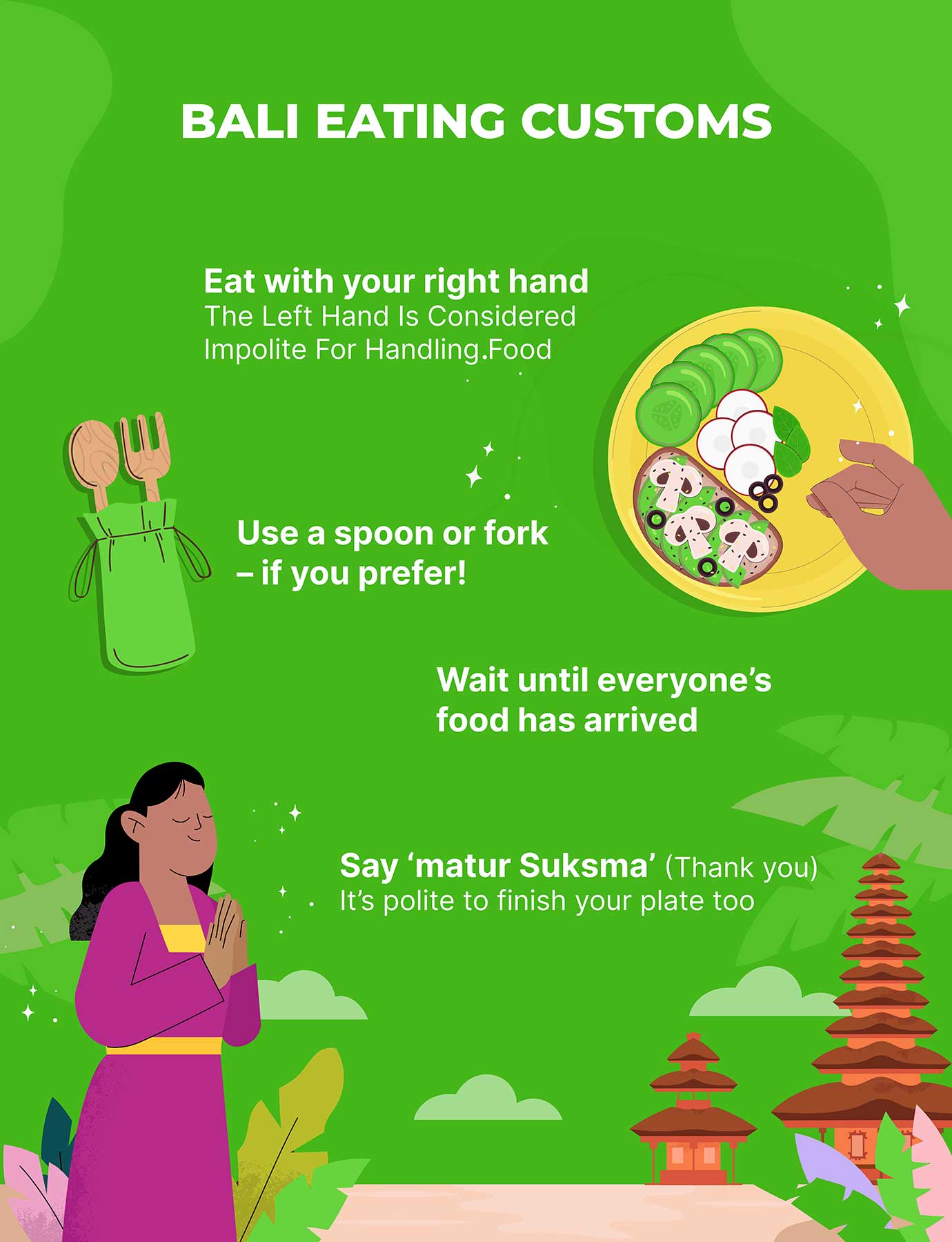
Bali might be super chill, but there are a few things to know when enjoying Bali local food so you can eat like a local (and avoid awkward moments). It’s common to eat with your right hand, especially in traditional warungs or during ceremonies, while the left hand is considered impolite for handling food. If you’re not comfortable with hand-eating, it’s totally fine to use a spoon and fork — no judgment! I’m doing it too.
Another thing: in Bali, it’s polite to wait until everyone’s food has arrived before you start eating, especially if you’re dining with locals. If you’re invited to a family compound or temple ceremony, don’t forget to say “matur suksma” (thank you) after your meal, and it’s respectful to finish what’s on your plate. That’s basically it! Easy peasy, right?
FAQs
Oh, it can be! Balinese folks love a good spicy kick, but you can always ask for “tidak pedas” (not spicy) if you’re not ready for the fire.
Expert Opinion
Alright, let’s wrap this up. Bali’s food scene? It’s everything, babe. From crispy babi guling to warm, chewy laklak, every bite is just packed with flavor, a little heat, and that something-something you can only get on this island. And hear me out — whether you’re munching at a simple warung or treating yourself at one of the top restaurants in Bali, the best way to truly feel Bali is to eat like the locals do!
So don’t just stick to your usual cafe orders, okay? Go explore, try that street snack, say “matur suksma” after, and live your best Bali foodie life. Trust me, your trip will taste so much better that way!





Hi, Anastasia here! I was born and raised in Bali, which means I’ve basically been island-hopping, waterfall-chasing, and café-hunting since forever. Over the years, I’ve reviewed more than 185 places — focusing on nature spots like secret beaches, scenic trails, and cultural corners, while also keeping up with the latest restaurants, cafés, and beach clubs. Through OnBali, I share real, first-hand insights to help you explore Bali like a local and discover the kind of places that don’t always make it onto Instagram.