Guide to Diving in the Gili Islands, Indonesia
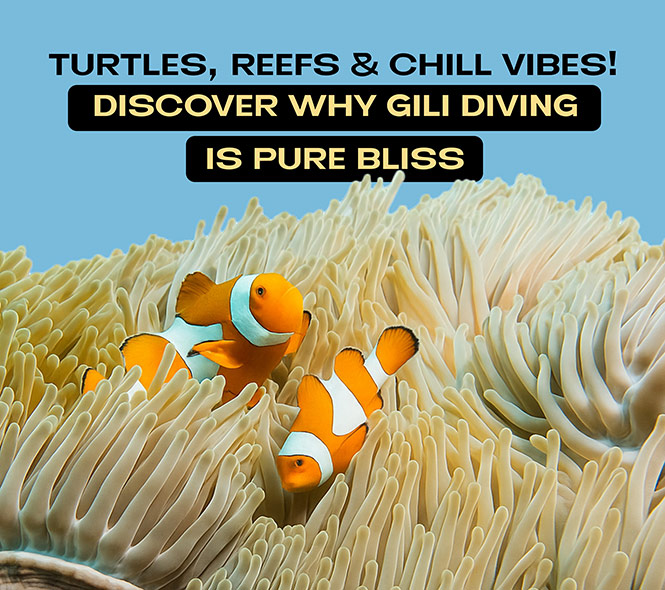
When was the last time you thought about diving when thinking about the Gili Islands? Probably never. Similar to how you don’t really think about snorkeling in Bali when planning a trip to the island. And that’s precisely why you should put diving on your to-do list the next time you visit the Gili Islands. The excellent visibility, the diverse topography, and thousands of marine species should excite you to explore the underwater world. It’s time to ditch the party outfits, wear your wetsuits, and carry those oxygen tanks. Let’s jump in the water!
Overview of Diving in the Gili Islands
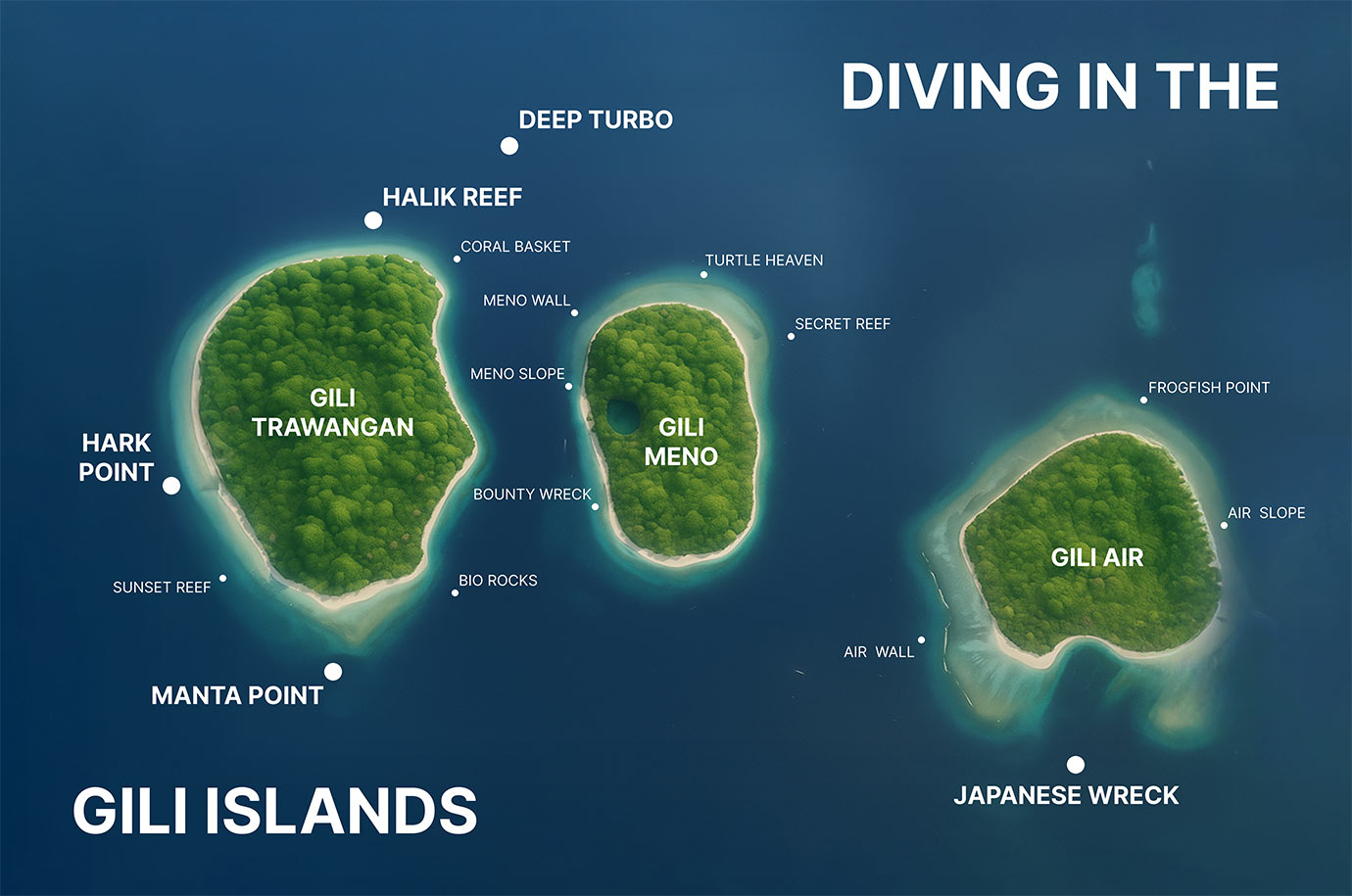
The Gili Islands may not have mountains or waterfalls, but the underwater scene is another story. Compared to diving in Bali, the small size of the Gili Islands plays a huge advantage. You can move swiftly from one diving spot to another without literally breaking a sweat. Here’s a general picture of the diving spots in the Gilis.
What about the best time to dive in the Gili Islands? Well, this cheat sheet should give you a rough idea about the diving conditions in the three Gilis.
Season
Water Temperatures
Visibility
Diving Conditions
Dry Season
(April – October)27°C – 31 °C
20 – 30 meters
Excellent visibility
Calm sea surfaces
Schooling barracudas and pelagic fish
Rainy Season
(November – March)26°C – 30 °C
10 – 15 meters
Fewer divers
Rough sea surfaces
Limited visibility
Chance to see manta rays and macro creatures due to lots of plankton
Top Dive Centers in the Gili Islands
Dive Center
Location
Course Price
Course Specialty
Dive Resort
Blue Marlin Dive
Gili Trawangan, Gili Air, & Gili Meno
From US$ 70
Deep, wreck, drift, and sidemount diving
Yes, in Gili Air
Manta Dive
Gili Trawangan, Gili Air
From US$ 68
Technical diving, Instructor course
Yes, in Gili Air
Trawangan Dive
Gili Trawangan
From US$ 65
Technical diving, fish identification course
Yes
Gili Divers
Gili Trawangan
From US$ 70
Waves tides & current, perfect buoyancy
Yes
Dive Central Gili
Gili Trawangan
From US$ 70
Nitrox, coral reef conservation
No, but it affiliates with Pesona Beach Resort
Oceans 5 Dive Resort
Gili Air
From US$ 80
Digital underwater photography, open water
Yes
Blue Marine Dive
Gili Trawangan, Gili Air
From US$ 65
Scuba tune up, underwater navigation
Yes, in Gili Air
Top Dive Sites in the Gili Islands
1. Shark Point
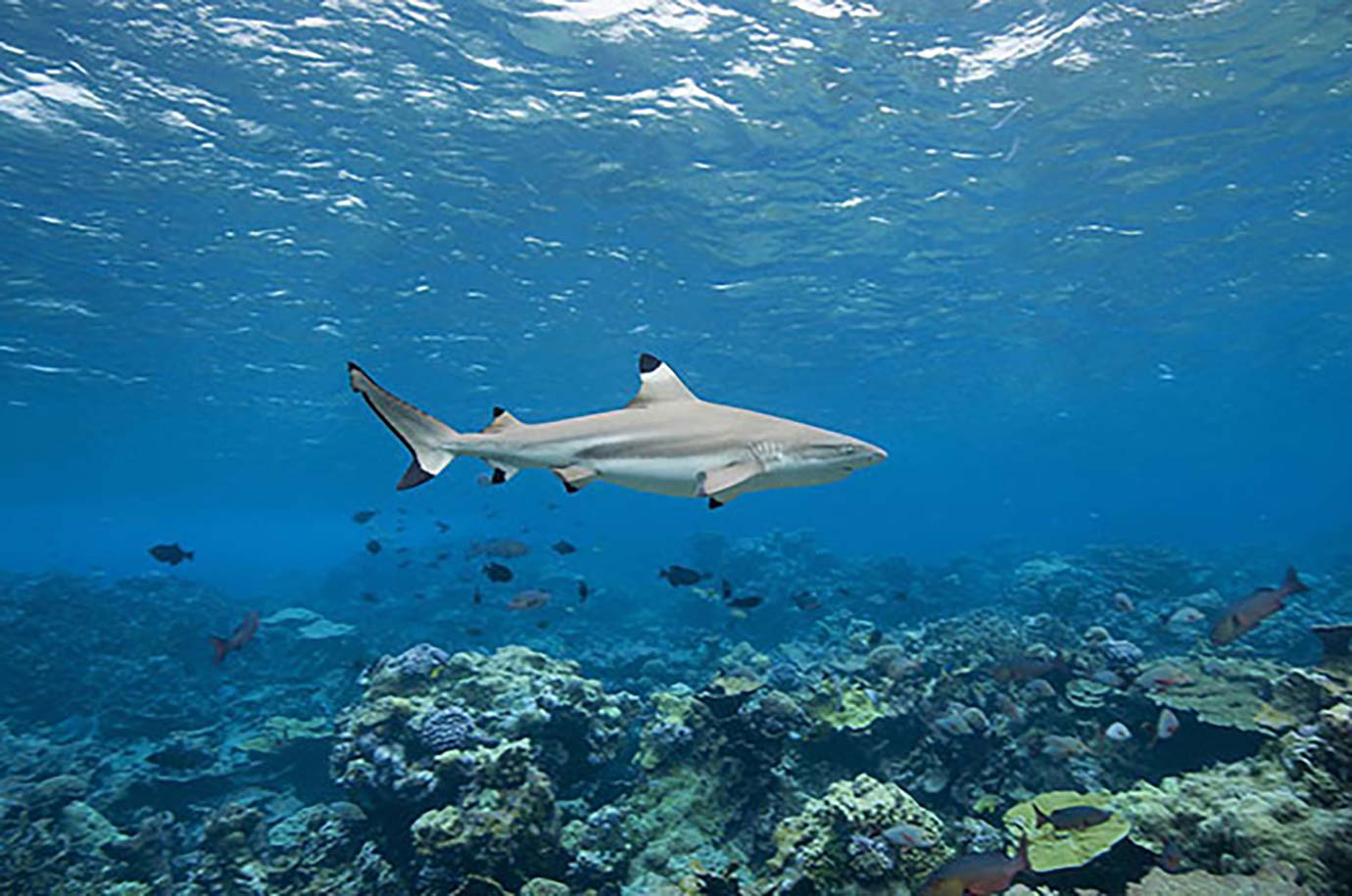
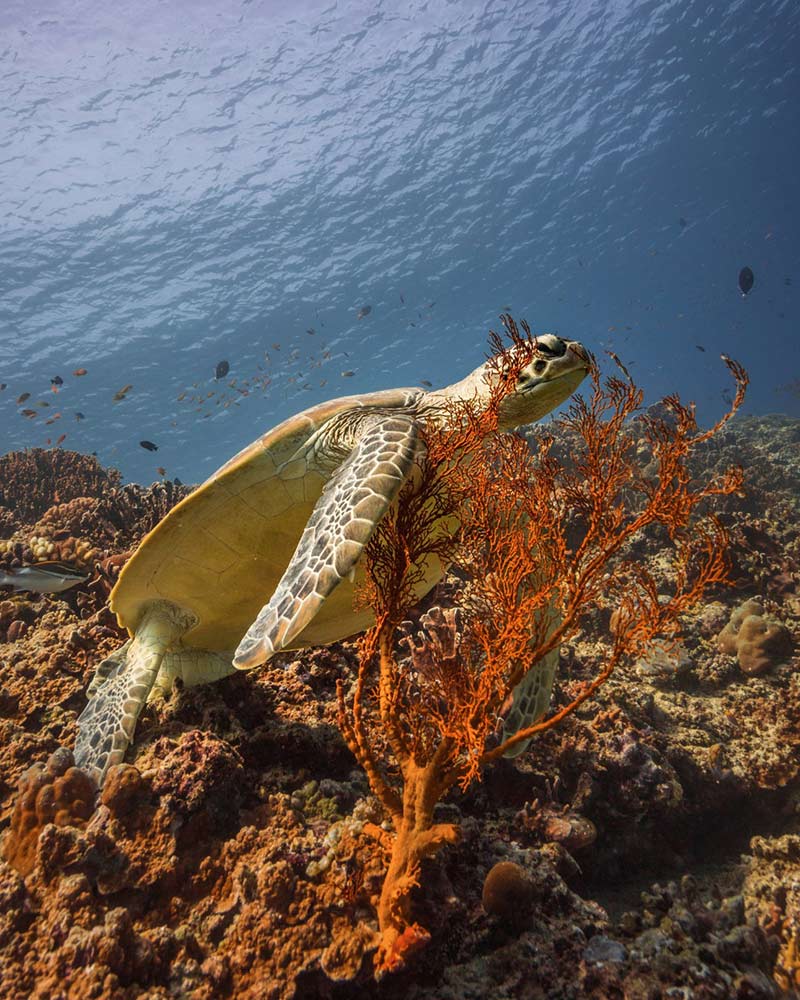
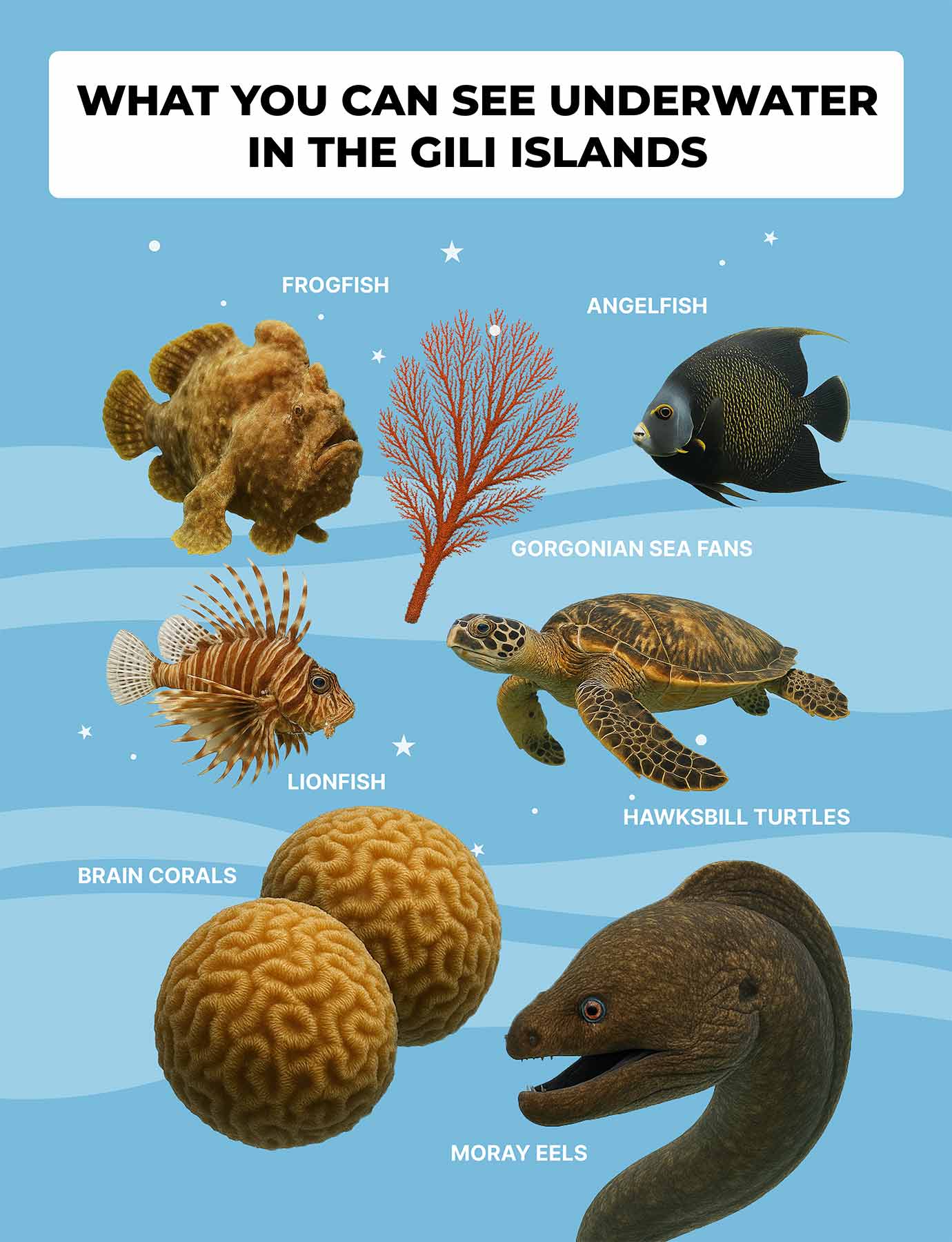
Forget the great white sharks terrorizing people like in the movie at Shark Point. Instead, you can see blacktip and whitetip sharks patrolling alongside giant trevally and dogtooth tuna at the deeper end of the underwater canyon. In the shallow end (8-16 meters), the coral plateau is full of hard and soft corals in different sizes, shapes, and colors. Beyond the harmless reef sharks and pelagic fish, you often see the Hawksbill and green turtles resting on the coral crevices, making Shark Point one of the best diving spots in Gili Trawangan.
 Source: @gilisharkconservation
 Source: @divecentralgili
Detailed Info about Shark Point
Location: Northwest Gili Trawangan
Visibility: > 20 meters
Ideal for: All diving level skills
Depth: > 35 meters
Highlights: Coral bommies, reef sharks, Hawksbill turtles
2. Manta Point
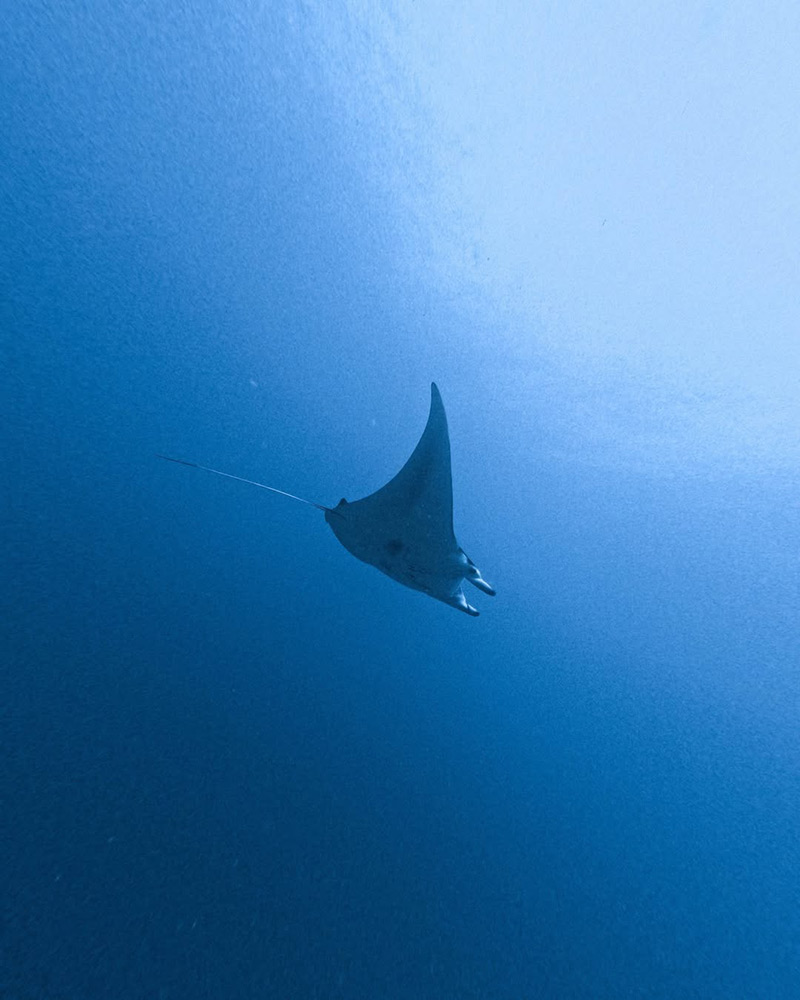
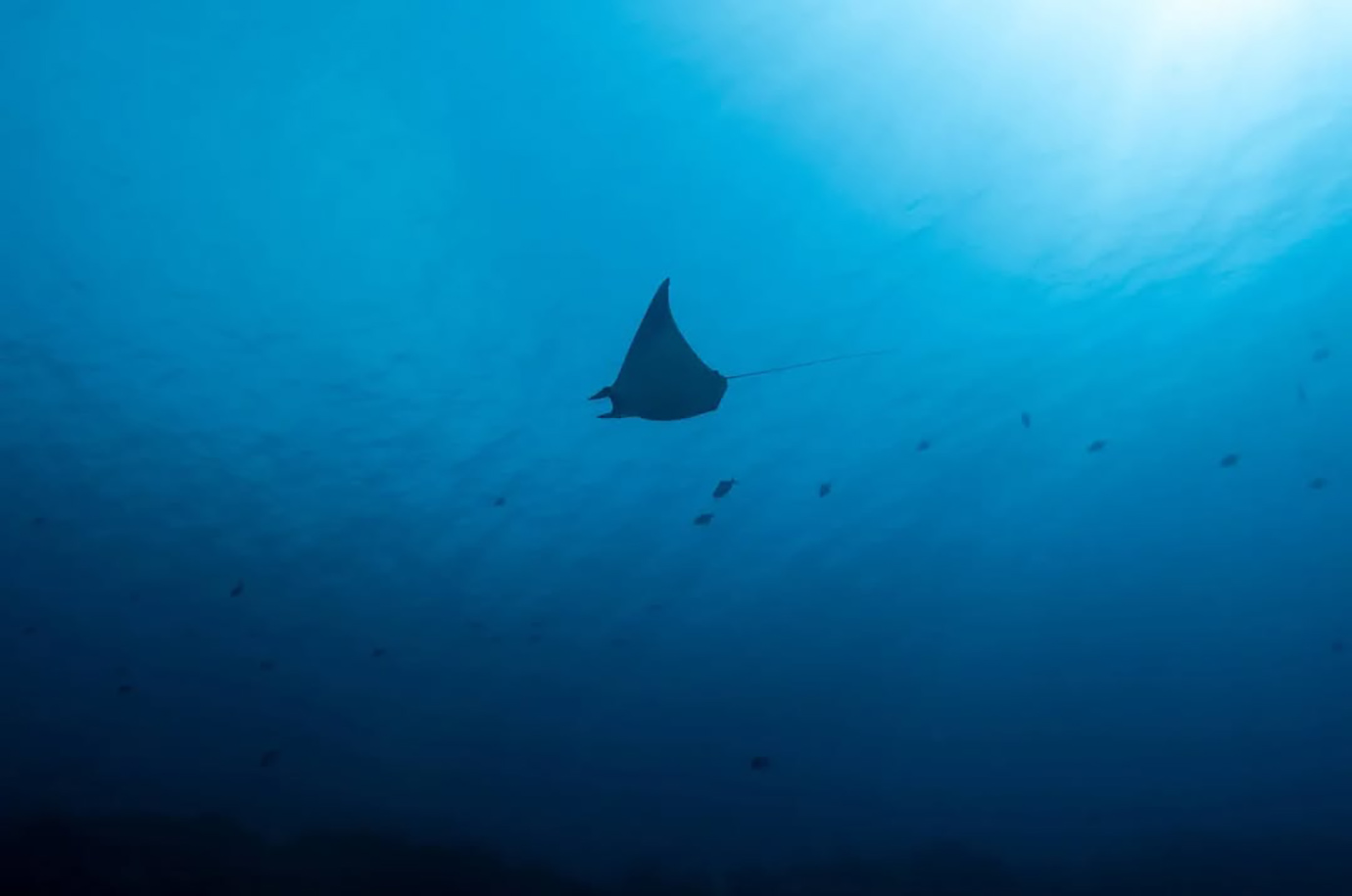
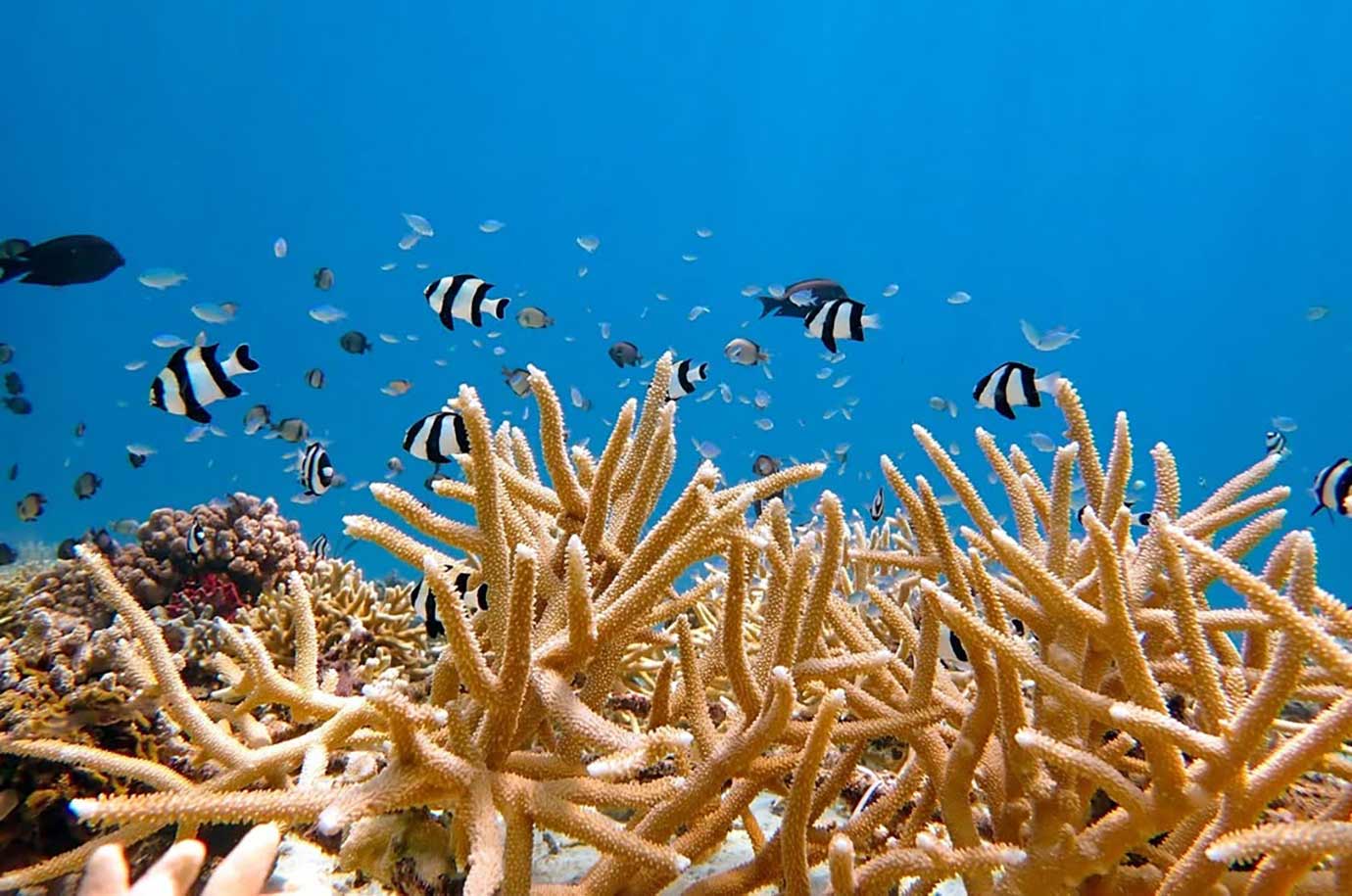
Lower your expectations to see manta rays at Manta Point—unless you dive during the rainy season. As plankton is abundant during the wet season, so are the manta rays. With luck on your side, you will spot 10-20 manta rays in one sighting. But scuba diving in the dry season still packs a lot of punch in Gili Trawangan even without a group of manta rays. The sandy slope and bottom at Manta Point are full of staghorn corals, and you may see the turtles lying around. However, the scattered coral bommies highlight other marine life such as ribbon eels, lionfish, triggerfish, and spiny lobsters.
 Source: @gilisharkconservation
 Source: @gilisharkconservation
Detailed Info about Manta Point
Location: Southeast Gili Trawangan
Visibility: 15 – 25 meters
Ideal for: Open water certification
Depth: 10 – 20 meters
Highlights: Staghorn corals, green turtles, manta rays (seasonal)
3. Halik Reef
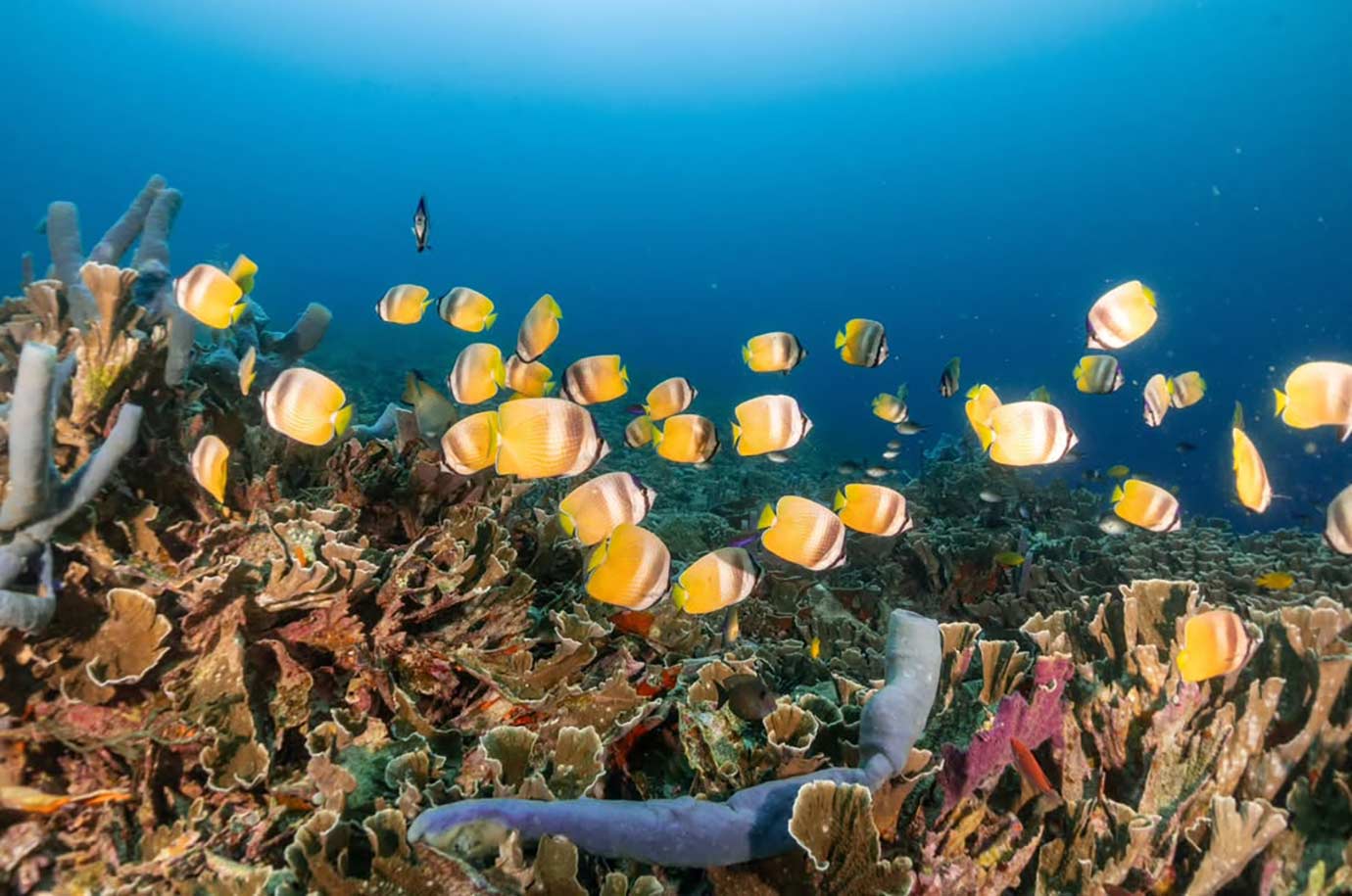
If you're obsessed with coral reefs, you can’t find a better diving spot in Gili Trawangan than Halik Reef. Starting at 6 meters, as far as the eye can see, you will see massive barrel sponges, Gorgonian sea fans, table and staghorn corals in striking colors. The incredible multi-tiered topography, going as deep as 40 meters, makes it possible for you to witness the agility of eagle rays (the sister of manta rays), scorpionfish, giant trevallies, and bumphead parrotfish. Macro enthusiasts will be happy to see porcelain crabs and frogfish playing hide and seek in the corals.
 Source: @gilidivers
 Source: @gilidivers
Detailed Info about Halik Reef
Location: North Gili Trawangan
Visibility: 20 – 30 meters
Ideal for: All skill levels
Depth: 10 – 40 meters
Highlights: Giant moray eels, cuttlefish, anthias
4. Deep Turbo
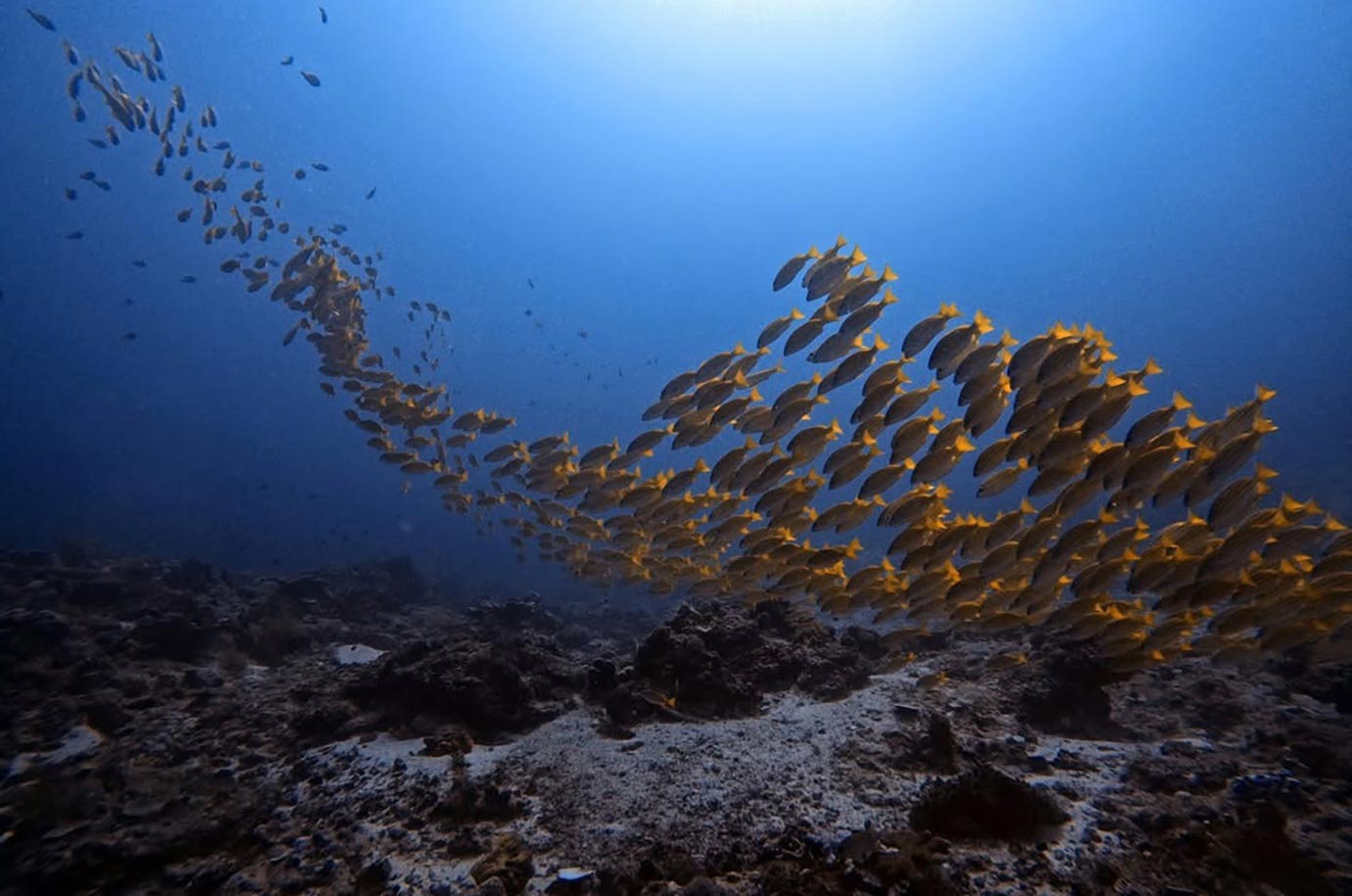
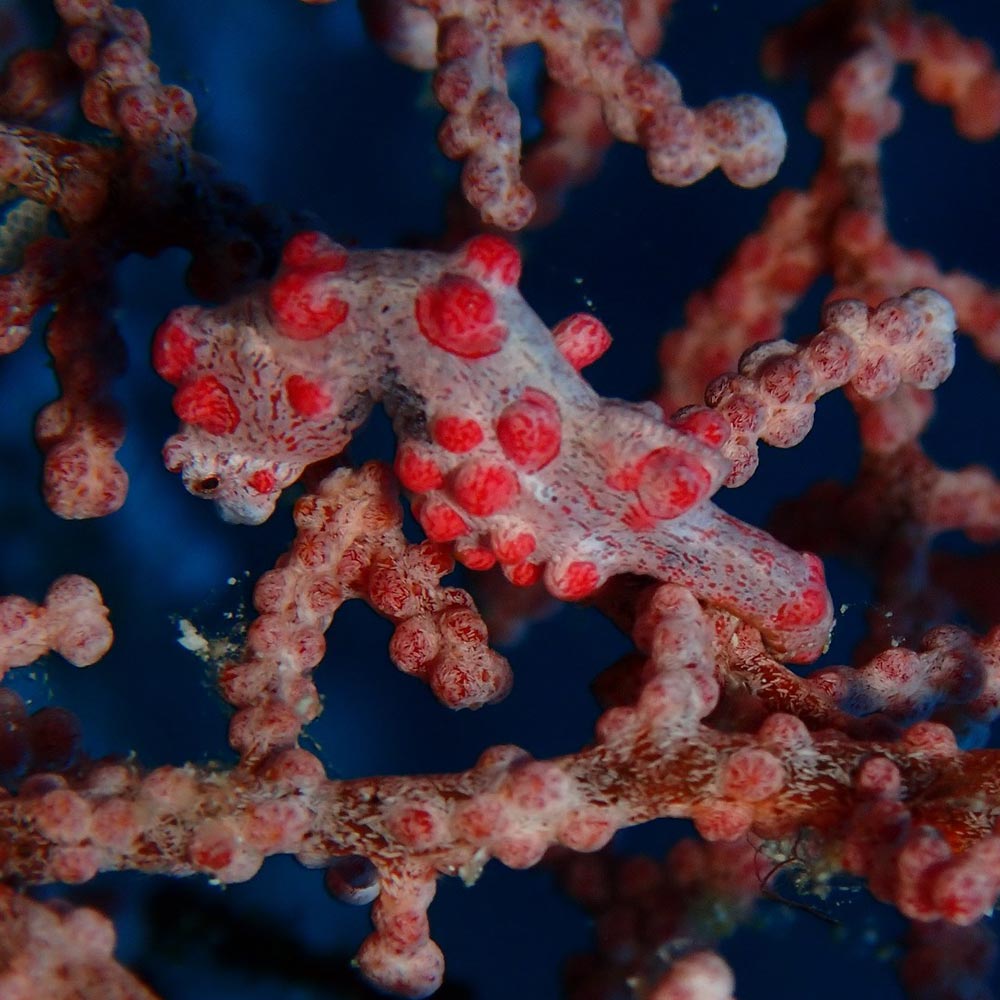
Despite its strong currents, Deep Turbo is the epic diving you need in Gili T. Reserved only for advanced divers (and not the faint-hearted), the unique turbo-shaped pinnacle extends to more than 35 meters. It is covered in massive coral sea mounds in various colors and shapes. Keep your eyes around the Gorgonian sea fans, as the pygmy seahorses and nudibranch will play peek-a-boo with you. Starting at 16 meters, the large school of batfish and red-tooth triggerfish will swarm your vision. Going deeper, you will encounter the blue-spotted ribbontail rays (don’t ever come close as their tails are venomous), barracudas, and reef sharks.
 Source: @gilisharkconservation
 Source: @gilisharkconservation
Detailed Info about Deep Turbo
Location: North Gili Trawangan
Visibility: > 30 meters
Ideal for: Advanced divers
Depth: > 35 meters
Highlights: Gorgonian sea fans, pygmy seahorses, dogtooth tuna
5. Japanese Wreck
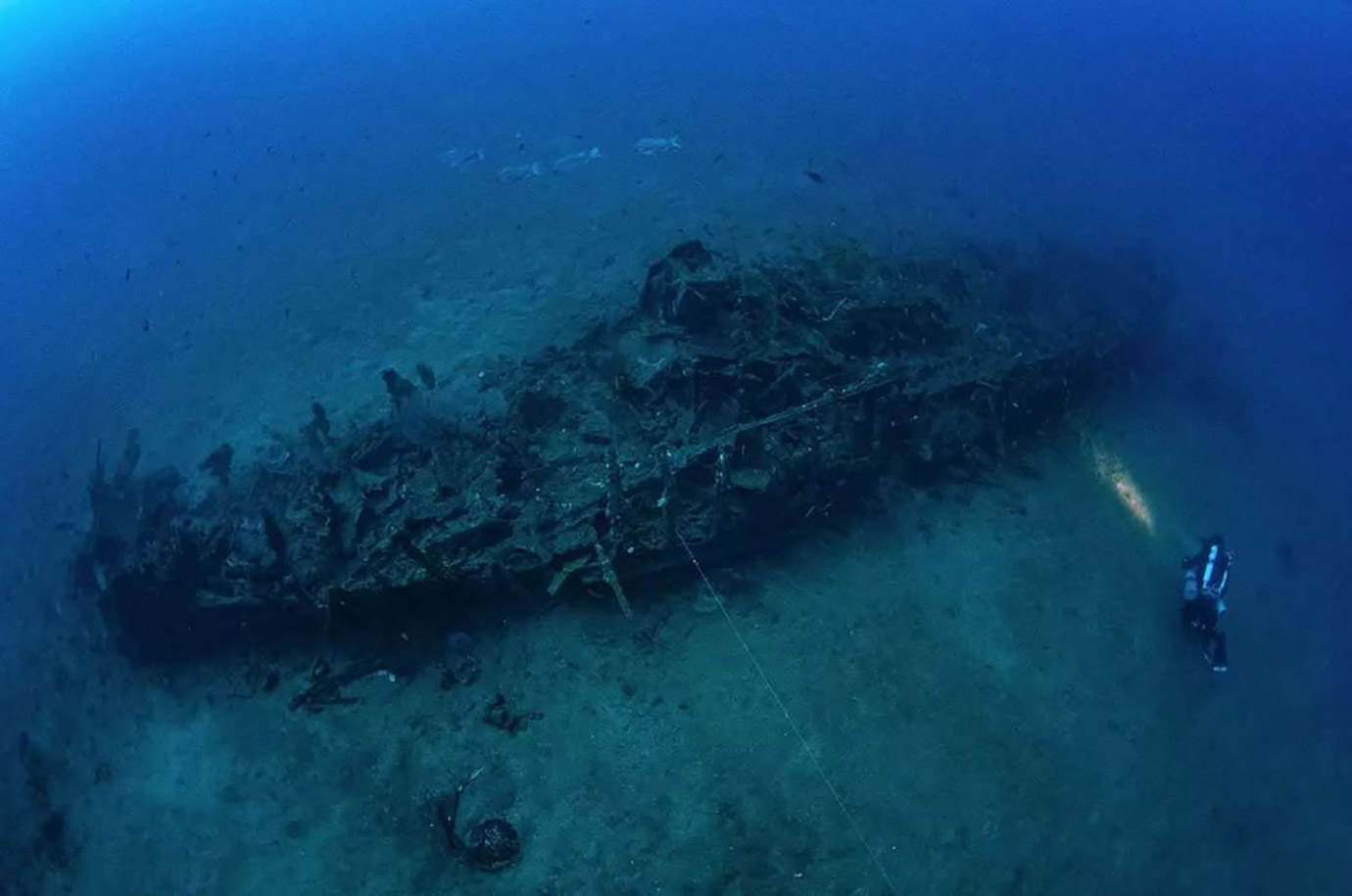
Japanese Wreck, or Jap-Wreck, is a historical buff’s dream diving spot in Gili Air. The wreck lies 45 meters on a sandy bottom, and is a Japanese patrol boat from World War II. And 70 years after it got sunk, hard and soft corals have made the wreck their place to thrive. But not everyone can dive here. Often used for decompression scuba diving in Gili Air, you need at least 30 hours of diving, an advanced open water and a Nitrox certification to explore the wreck sites. Sometimes, reef sharks appear, but expect to spot large groupers, scorpionfish, frogfish, and nudibranch at this incredible diving spot in Gili Air.
 Source: @bluemarlindivetech
 Source: @trawangandive
Detailed Info about Japanese Wreck
Location: South Gili Air
Visibility: 15 – 20 meters
Ideal for: Advanced divers
Depth: 45 meters
Highlights: Hard corals, groupers, nudibranchs
Marine Life in the Gili Islands
Diving Conditions and Best Times to Visit
Planning your diving trip to Gili T, Gili Air, or Gili Meno is straightforward … if you know when to go. So, when should you gear up for underwater exploration?
Dry Season (April to October)
The best period ever! Clear weather, excellent visibility, and if macro photography is your thing, you will get the best shot! The water temperature is warm, as it rarely falls below 27°C, and your visibility can go as far as 30 meters in May to June. You get to see plenty of hawksbills, green turtles, and reef sharks, and the coral reef looks vibrant under the sun, which penetrates the water’s surface.
Rainy Season (November to March)
Indeed, it is not an ideal period, as your trip may get canceled due to the weather. But beyond the limited visibility, rough sea surfaces, lots of rain, and stronger currents, the rainy season brings abundance of plankton and attracts fewer people. And it only means that your chance to see manta rays and whale sharks is high. The water temperature always stays within the 26°C to 27°C range.
Peak Season (July to August)
We get that not everyone has the privilege to travel off-season. But July and August are full of people, even outside the water. While the visibility remains excellent and the weather is superb, you will see more divers, especially in popular dive sites like Shark Points and Turtle Points. Avoid coming to the dive center without prior booking.
Conservation Efforts in the Gili Islands
The hefty price tag the Gili Islands have to pay for their underwater beauty is the environmental threat. That’s why a non-profit organization like Gili Eco Trust aims to preserve the marine ecosystem through different initiatives. Bio Rock is one of the projects they champion to restore the reef around the Islands. Gili Eco Trust also raises awareness by educating the children and local communities about the importance of the coral ecosystem.
Gili Eco Trust also organizes weekly beach clean-ups every Friday at 5 PM, perfect if you’re looking for a non-party activity to spend your holiday. For sports lovers, Gili Eco Trust hosts an annual triathlon fundraiser. You swim for 600 meters, cycle for 5 kilometers, and run for 7 kilometers in Gili Trawangan.
Tips for Divers Visiting the Gili Islands
There’s so much to unpack when diving in the Gili Islands. But we’ve got you covered with these practical tips and infos to make your diving experience memorable.
Equipment. Unless you want to bring your own, the regulators, BCDs, wetsuits, masks, fins, and tanks are included in the dive tour. Please always wear wetsuits because there’s a chance for thermoclines and upwellings that cause the water temperatures to drop in deeper dives.
Fee. You need to pay an IDR 150K fee to dive in the Gili Islands. The cost is for the Gili Eco Trust and marine park fee because the three islands are part of the Gili Matra Marine Natural Recreation Park.
Accessibility. Most dive sites are offshore, so you must go by boat first. It’s essential to understand how to read the current and buoyancy control.
No touch policy. Touching marine animals is a no-no. No matter how adorable they are, please never touch them, even if they seem harmless.
Follow your diving master. The diving masters know the waters around the Gili Islands like the back of their hands. Always follow their instructions and judgments for your safety.
FAQ - Frequently Asked Questions
Though diving in the Gili Islands is possible all year long, the dry season (April – October) makes an excellent time to dive. You get exceptional visibility, (almost) no rain, and a calm sea surface. However, scuba diving during the rainy season (November – March) is ideal for seeing manta rays, especially in Gili Trawangan.
Expert Opinion
Exploring the underwater paradise of the Gili Islands through scuba diving certainly goes toe to toe with surfing in Bali. Scuba diving in the Gili Islands feels special because of the diversity of marine life you can find. While advanced divers will find joy exploring the deeper end, you don’t need much to admire the beauty of the coral reefs and thousands of fish species. After all, it’s part of the Coral Triangle for a reason, and you certainly don’t want to miss a once-in-a-lifetime opportunity, do you?





Hi, Catur here. I’ve been living in Bali for 12 years, and you bet I’ve done all the temple visits and explored Bali’s best beaches and waterfalls. Adding my hospitality background and 13+ years of fiction writing to the mix (four self-published Indonesian books and a 2020 Wattys Award), I’ve shared the local insight about 100+ restaurants, cafes, bars, hotels, and beach clubs on the island, because I want you to get the best experience!